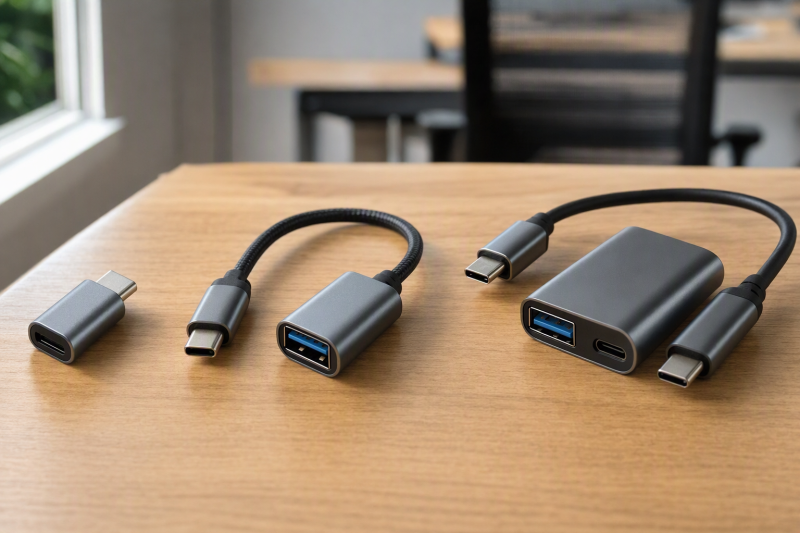
A USB-C-to-USB-A OTG adapter turns a USB-C host connection into a USB-A female port for compatible peripherals. This guide compares eight current New-condition adapters whose own titles or feature text establish the required USB-C male, USB-A female, and OTG role.
The product listings support the stated connector direction, OTG wording, pack count, data rate where listed, and noted limitations, but they do not test a particular phone, tablet, computer, peripheral, or cable. Check the current listing and verify that your host supports USB OTG before purchase.
Key Takeaway: Start with the Haoano, Bordsek, QiweDour, VIFIGEN, or Basesailor when the listing states a 5Gbps claim. Choose the Azddur only when its separately stated 60W USB-C charging port is relevant to your setup.
Quick Picks
- Best stated 5Gbps adapter: Haoano for its USB-C male to USB 3.0 female OTG identity and 5Gbps claim.
- Best cable-style OTG adapter: Bordsek for its stated Type-C male to USB-A female cable form and 5Gbps transfer claim.
- Best OTG adapter with listed power input: Azddur for the separately stated USB-A female OTG port and 60W USB-C charging port.
Quick Comparison
| Image | Product | Details | Check Price |
|---|---|---|---|
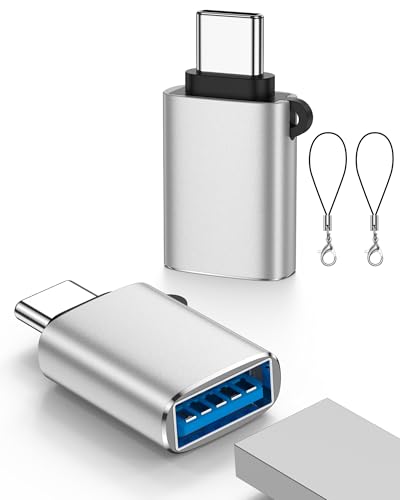 | Haoano USB-C to USB-A OTG | Connector direction: USB-C male to USB-A female OTG: Listed Transfer claim: 5Gbps Pack: Single adapter | Check Price on Amazon |
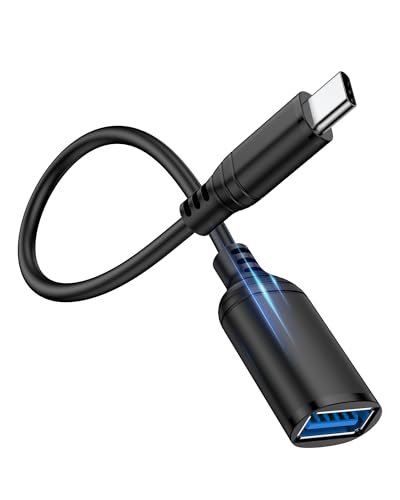 | Bordsek Cable-Style OTG | Connector direction: USB-C male to USB-A female OTG: Listed Transfer claim: 5Gbps Form: Cable-style adapter | Check Price on Amazon |
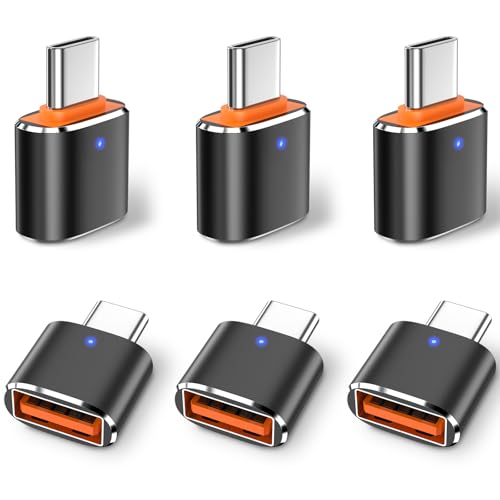 | QiweDour OTG Adapter | Connector direction: USB-C male to USB-A female OTG: Listed Transfer claim: Up to 5Gbps Pack: 6-pack | Check Price on Amazon |
 | VIFIGEN USB 3.0 OTG | Connector direction: USB-A female to USB-C male OTG: Listed Transfer claim: 5Gbps Form: Compact adapter | Check Price on Amazon |
 | AVMAX USB-C OTG | Connector direction: USB-C male to USB-A female OTG: Listed Transfer claim: Not recorded in packet Pack: 4-pack | Check Price on Amazon |
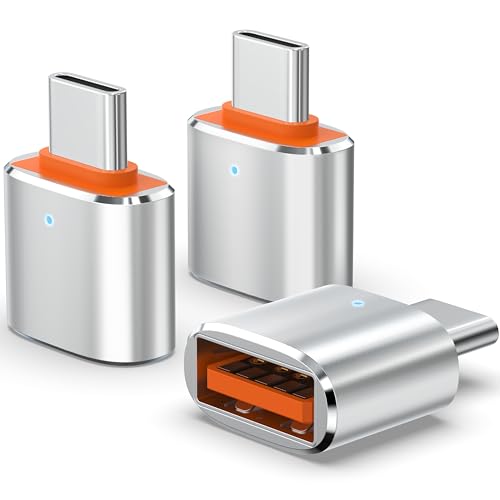 | Duyasurs USB-C OTG | Connector direction: USB-C male to USB-A female OTG: Listed Transfer claim: Not recorded in packet Limit: Audio and video excluded | Check Price on Amazon |
 | Basesailor USB-C OTG | Connector direction: USB-C to USB-A conversion OTG: Feature-confirmed Transfer claim: Up to 5Gbps Pack: 3-pack | Check Price on Amazon |
 | Azddur OTG with Charging | Connector direction: USB-C OTG with USB-A female OTG: Listed Charging input: Separate USB-C port, 60W claim Form: Two-function adapter | Check Price on Amazon |
The comparison table preserves the eight-product order and distinguishes the listings’ stated connector direction and transfer rate from unverified peripheral compatibility, charging allocation, or video behavior.
1. Haoano USB-C Male to USB 3.0 Female OTG Adapter — Best Straightforward 5Gbps Pick
The Haoano title states a USB-C male to USB 3.0 female OTG adapter. Its feature text adds a 5Gbps transfer claim, making the connection direction and data figure explicit in the listing.
Our Take
This is the most direct pick when you want a compact adapter whose listing makes both the OTG role and 5Gbps claim clear. The listing does not establish audio or video operation, so keep the decision focused on USB-A peripheral access and the listed data rate.
Plan around the peripheral you actually need to connect. The Haoano listing identifies the adapter direction and a 5Gbps data claim, but it does not establish that a USB-A storage drive, input device, camera, or audio accessory will behave the same way on every OTG-capable host. Treat the live host and peripheral requirements as a separate check.
- The title explicitly states USB-C male to USB 3.0 female OTG.
- Captured features state a 5Gbps transfer claim.
- The listing does not verify behavior with a particular USB-A peripheral or host device.
2. Bordsek USB-C to USB-A Female OTG Cable Adapter — Best 5Gbps Cable-Style Option
The Bordsek title identifies a Type-C male to USB-A female OTG adapter with a cable. Its features state a 5Gbps claim, so it remains an exact-fit adapter rather than a USB-C-to-USB-C cable.
Our Take
Choose Bordsek when the listing’s cable-style physical form is preferable to a compact dongle and the stated 5Gbps figure matters. The listing does not establish a specific cable length or any video-output function, so those are current-product-page checks rather than comparison facts.
A cable-style adapter changes clearance and strain relief, not the required connector direction. Bordsek still needs a USB-C host and a USB-A peripheral, and its 5Gbps statement is only the listing’s transfer claim. Do not use that number to infer display output, charging behavior, or a guaranteed result with a particular drive.
- The title clearly states a Type-C male to USB-A female OTG direction.
- Features state a 5Gbps transfer claim.
- The listing does not provide a verified cable-length or host-specific compatibility result.
3. QiweDour 6-Pack USB-C Male to USB 3.0 Female OTG Adapter — Best Larger Pack Count
The QiweDour title states a 6-pack of USB-C male to USB 3.0 female OTG adapters. The captured feature evidence lists a transfer rate of up to 5Gbps.
Our Take
QiweDour has the comparison’s largest explicitly stated pack count. It is a fit when multiple compatible devices or locations need the same USB-C-to-USB-A OTG direction, provided the listing’s 5Gbps claim and pack format match your needs.
The six-pack format is the decision point here, rather than evidence that one adapter performs differently from another. Before distributing the pack across devices, confirm that every intended host supports OTG and that the required peripheral uses the USB-A side. The 5Gbps claim remains listing evidence, not a measured speed result.
- The title identifies a 6-pack of USB-C male to USB 3.0 female OTG adapters.
- Features state up to 5Gbps transfer.
- The source does not test whether every included adapter behaves identically with a particular host or peripheral.
4. VIFIGEN USB-A Female to USB-C Male OTG Adapter — Best Explicit Connector-Orientation Title
The VIFIGEN title spells out the endpoint order as USB-A female to USB-C male and identifies the product as an OTG converter. The listing also states a 5Gbps claim.
Our Take
The direct connector wording makes VIFIGEN useful for a buyer trying to avoid reverse-direction adapters. Its title establishes the required USB-A female peripheral port and USB-C male host end, but the listing does not establish a universal outcome with cameras, drives, or other named devices.
Use VIFIGEN when the endpoint labels are the main way to avoid a wrong purchase. The adapter’s stated 5Gbps figure describes the advertised transfer capability, while host support and peripheral power needs remain device-specific. That distinction matters more than the shared USB-C connector shape on otherwise similar adapters.
- The title explicitly states USB-A female to USB-C male and OTG.
- The listing states a 5Gbps figure.
- Specific host and peripheral compatibility is not established by the listing.
5. AVMAX 4-Pack USB-C Male to USB-A 3.0 Female OTG Adapter — Best Four-Pack Basic Adapter
The AVMAX title identifies a 4-pack of USB-C male to USB-A 3.0 female OTG adapters. That precise connector-direction wording establishes the required product identity.
Our Take
AVMAX is the middle-sized multi-pack choice when the physical OTG direction matters more than a recorded transfer-rate comparison. Its listing does not include a speed claim, so do not rank it against the 5Gbps entries on performance alone.
The four-pack is useful only if several compatible setups need the same physical conversion. It does not supply a stated data-rate comparison, so the safe selection is about USB-C male to USB-A female OTG direction and pack count. Recheck the current listing if transfer performance, charging, or non-data uses drive the purchase.
- The title directly establishes USB-C male to USB-A 3.0 female OTG.
- The listing identifies a practical 4-pack format.
- No data-transfer rate is stated for AVMAX in the supplied listing details.
6. Duyasurs 3-Pack USB-C Male to USB 3.0 Female OTG Adapter — Best for a Stated Audio and Video Limitation
The Duyasurs title identifies a 3-pack of USB-C male to USB 3.0 female OTG adapters. The listed features explicitly exclude audio and video functions, which is an important stated limit for this model.
Our Take
Choose Duyasurs when a three-pack of the required OTG direction fits the job and you want a listing that directly states its audio and video limitation. That clarity is more useful than assuming a USB-A peripheral adapter can carry every kind of signal.
That limitation makes Duyasurs easier to place in a data-peripheral workflow than in an audio or display setup. The three-pack can cover several OTG-capable hosts, but the listing’s transfer wording is not a measured end-to-end result. Do not substitute a general USB-A adapter label for the listing’s explicit no audio and video boundary.
- The title explicitly names a 3-pack of USB-C male to USB 3.0 female OTG adapters.
- Features clearly state that audio and video are not supported.
- The listing expressly excludes audio, video, and in-vehicle data-transfer functions.
7. Basesailor 3-Pack USB-C to USB 3.0 Adapter — Best Feature-Confirmed 5Gbps OTG Pick
The Basesailor title identifies a USB-C male to USB 3.0 female converter, while its listed features explicitly call it an OTG adapter that converts USB-C to USB-A. The same feature text states a transfer rate of up to 5Gbps.
Our Take
Basesailor is a useful choice when you want direct feature-level confirmation of both OTG conversion and 5Gbps. It is a three-pack, but the listing does not provide a comparative durability test or peripheral-by-peripheral compatibility list.
This entry shows why title and feature text work together. Its features supply both the OTG role and 5Gbps claim, while the listing must answer device-specific questions. A three-pack is relevant for multiple connection points, not proof of compatibility with every USB-A accessory.
- Features explicitly describe USB-C-to-USB-A OTG conversion.
- The listing states up to 5Gbps transfer and a three-pack format.
- The listing does not provide a peripheral-by-peripheral compatibility guarantee, so confirm the intended host and specific USB-A device.
8. Azddur USB-C OTG Adapter with 60W Charging Port — Best for a Listed Separate Power Port
The Azddur title and features identify a USB-C OTG adapter with a USB-A female port and a separate 60W USB-C charging port. This makes it structurally different from the one-function adapters elsewhere in the comparison.
Our Take
Choose Azddur only when you specifically need the listing’s two-function arrangement: a USB-A female OTG connection plus a stated 60W USB-C charging port. The source does not show how every host divides power or handles every USB-A device while charging.
Keep the two connectors in separate roles when planning this adapter. The USB-A female side is the listed OTG peripheral path, and the 60W USB-C port is a separately stated charging input. The listing does not establish simultaneous power allocation, so a charging-dependent setup needs a host-specific confirmation before purchase.
- Title and features state a USB-A female OTG port and separate 60W USB-C charging port.
- The two-function layout is distinct from the basic OTG adapters in the comparison.
- The listing does not establish power allocation or operation with every host-and-peripheral combination.
Buying Guide: How to Choose a USB-C to USB-A OTG Adapter
Confirm the physical connector direction first
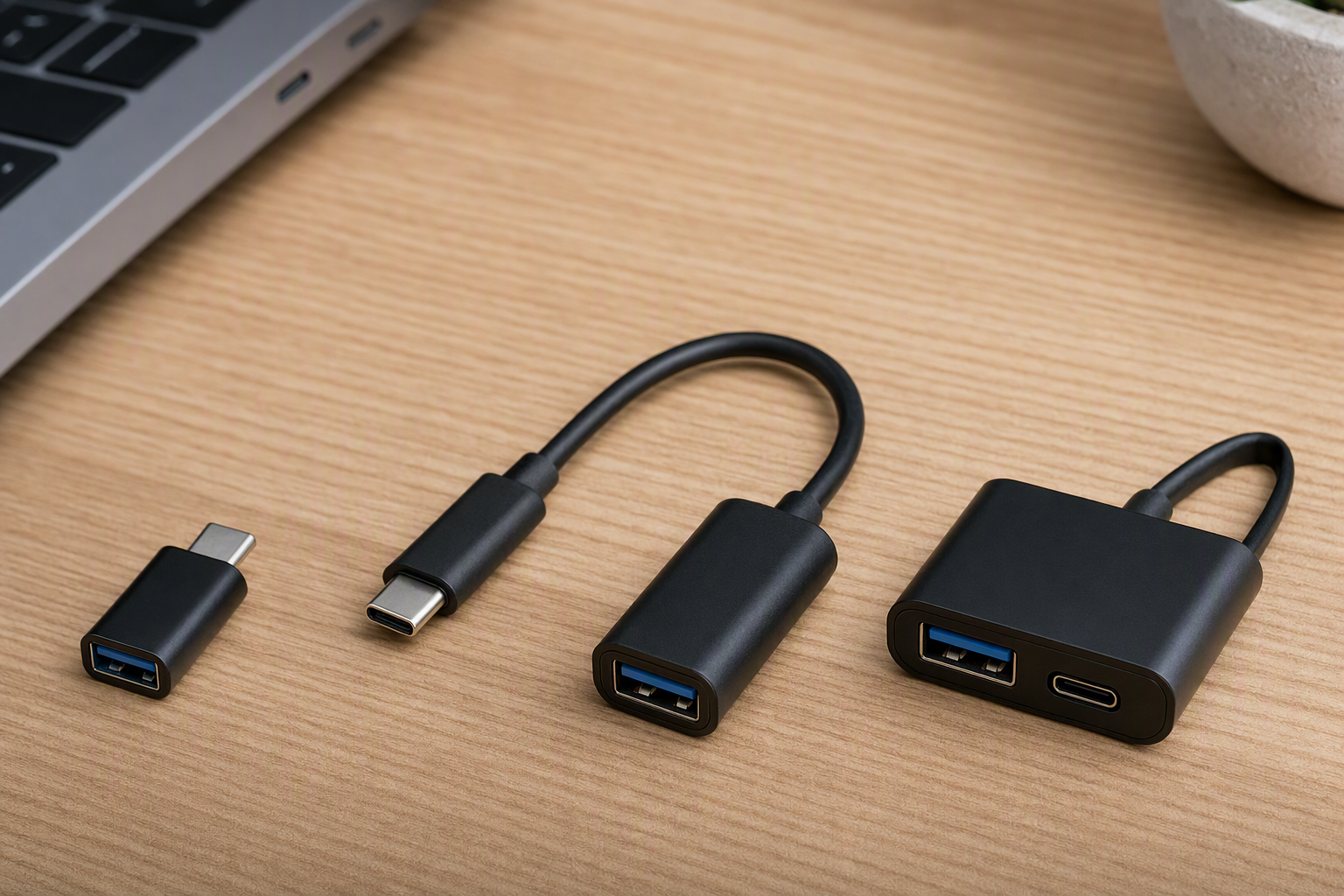
The essential identity is USB-C male to USB-A female. The USB-C male end goes to the host side, while the USB-A female port is the listed peripheral-facing end. The VIFIGEN, QiweDour, and AVMAX titles make that direction especially explicit.
Direction matters because a reverse-direction adapter is a different product. Do not buy from a broad “USB adapter” label alone when the physical ends are the deciding requirement. Every product here has title or feature text that establishes the specified OTG direction.
The Basesailor is a useful reminder to read features as well as titles. Its title is shorter, but its feature text explicitly describes USB-C-to-USB-A OTG conversion and supports the category fit.
Compare stated transfer rates without assuming a universal result
Several products carry a 5Gbps listing claim: Haoano, Bordsek, QiweDour, VIFIGEN, and Basesailor.
The AVMAX listing has no transfer-rate figure, and Duyasurs has no rate stated either. An absent speed claim is not a performance verdict, so do not treat those listings as slower or faster than the specified models without checking the current product page.
A stated rate is not a complete-system test. The USB-C host, USB-A peripheral, attached cable where relevant, and operating system can all affect a real transfer result.
Decide whether a compact adapter or cable style fits the port layout
The Bordsek title identifies a cable-style OTG adapter. A cable can relieve crowded-port pressure, but the listing does not provide a verified length comparison.
Compact adapters such as the Haoano, QiweDour, VIFIGEN, AVMAX, Duyasurs, and Basesailor are listed as adapters or converters. Form-factor choice is physical, so use the current listing images and dimensions when clearance or adjacent ports matter to your device.
The Azddur is its own case because the listing identifies both a USB-A female OTG port and a 60W USB-C charging port. Choose it for that specific stated arrangement, not because every ordinary OTG adapter also supports charging input.
Read exclusions and power details literally
The Duyasurs listing expressly excludes audio and video functions. That statement is more reliable for this comparison than assuming every USB-A peripheral adapter carries display or audio signals.
The Azddur listing states a separate 60W USB-C charging port, but it does not establish how that port shares power with a connected USB-A device. Verify your host and the current listing before relying on simultaneous charging and OTG operation.
The safe approach is to match the listing to one concrete job: connect a USB-A peripheral to an OTG-capable USB-C host. Do not generalize a data-adapter claim into display, audio, or multi-device power support unless the exact listing says so.
Build the purchase decision from the complete connection path
Start with the host port and peripheral role. This roundup covers a USB-C male plug on the host side and a USB-A female port for the peripheral side. That does not settle whether the host supports OTG, whether the peripheral has its own power requirement, or whether an operating system recognizes the device. Write down the exact host and USB-A accessory before comparing adapters. If either endpoint needs a special mode, driver, or more power than the host supplies, the physical adapter alone cannot resolve that requirement.
Use a stated 5Gbps figure as a selection filter, not a result forecast. Haoano, Bordsek, QiweDour, VIFIGEN, and Basesailor carry that listing-level number. It can distinguish those entries from AVMAX and Duyasurs, whose listings do not supply a transfer rate, but it does not establish sustained performance in your setup. A slow source drive, a lower-speed peripheral, a cable in the Bordsek path, or host-side limits can all control the result. Check the whole path when speed matters.
Treat pack count, charging input, and physical clearance as separate buying jobs. QiweDour’s six-pack, AVMAX’s four-pack, and the three-pack Duyasurs and Basesailor options help when several compatible locations need the same conversion. Azddur instead adds a separately listed 60W charging input, which changes the physical layout but does not prove a particular simultaneous power split. Before ordering, list the host model, peripheral, required connector at each end, charging need, useful pack count, and neighboring-port clearance. That keeps the decision focused on the USB-C male to USB-A female OTG direction and the exact host-and-peripheral fit rather than a similar-looking reverse-direction adapter.
Frequently Asked Questions
What does USB-C male to USB-A female OTG mean?
It describes the required physical layout in this article: a USB-C male connector for the host-side port and a USB-A female connector for a compatible peripheral. Each product’s title or features establishes that direction and an OTG role.
OTG still depends on the host device. Check that your phone, tablet, or computer supports USB OTG and confirm the specific peripheral before purchase, because a listing does not test every combination.
Which adapters have a stated 5Gbps rate?
The listings state 5Gbps for Haoano, Bordsek, QiweDour, VIFIGEN, and Basesailor. AVMAX and Duyasurs have no stated transfer-rate figure.
The stated rate is not a promise of a real transfer result. Your host, peripheral, and any attached cable can affect the outcome, and these listings do not supply measured speed results.
Can these adapters carry HDMI video or audio?
Do not assume so. The Duyasurs feature text specifically says audio and video are not supported, and the other entries do not state HDMI or audio support.
For this roundup, treat them as USB-A peripheral adapters. Verify an exact live listing before buying any one of them for a display, audio, or other non-data purpose.
Why would I choose the Azddur over a basic OTG adapter?
The Azddur is different because its title and features state a USB-A female OTG port plus a separate 60W USB-C charging port. That makes it relevant when a charging-input path is part of the planned connection.
The listing does not verify all simultaneous-use cases, however. Check the current listing and host behavior before expecting a particular power split or peripheral result while charging.
Are these recommendations based on hands-on testing?
No. This guide uses current product-listing details for New-condition status, connector direction, OTG wording, pack count, stated transfer rates, and the Duyasurs and Azddur limitations or port details. It does not claim hands-on testing, measured throughput, durability testing, or universal compatibility.
Use this guide to compare the recorded product identities, then recheck the live listing for current price, availability, dimensions, warranty, host requirements, and the USB-A peripheral you intend to connect.
What should I verify before connecting a drive, keyboard, or other USB-A device?
Start with the complete physical path: the adapter needs a USB-C male host end and USB-A female peripheral port, and the phone, tablet, or computer must support OTG for the intended device. Confirm that the peripheral is a data device rather than a display or audio product, especially because Duyasurs expressly excludes audio and video and the other listings do not establish those functions. If the peripheral draws meaningful power, check the host’s capability instead of assuming the connector alone supplies enough current.
Then inspect the practical fit around the port. A compact adapter can block a neighboring connector when a wide USB-A plug is attached, while Bordsek’s cable-style layout moves that weight away from the host port. If transfer speed matters, treat a listed 5Gbps figure as the adapter’s stated ceiling, not a measured end-to-end result; the host, drive, filesystem, and any cable can still become the limiting part of the connection.
Related USB-C Setup Guides
- Check broader port layouts in our USB-C hubs guide.
- Find hub models with more legacy ports in USB-C hubs with four or more USB-A ports.
- Match a removable-storage peripheral with USB-C flash drives.
- Compare the cable that feeds the setup in our USB-C cables guide.
- Verify a claimed connection rate with how to test USB-C cable speed.
- Check the host port before buying with why two USB-C ports can have different features.
- Pair a charging-input setup with USB-C chargers.
- Measure a charging path using USB-C power meter testers.