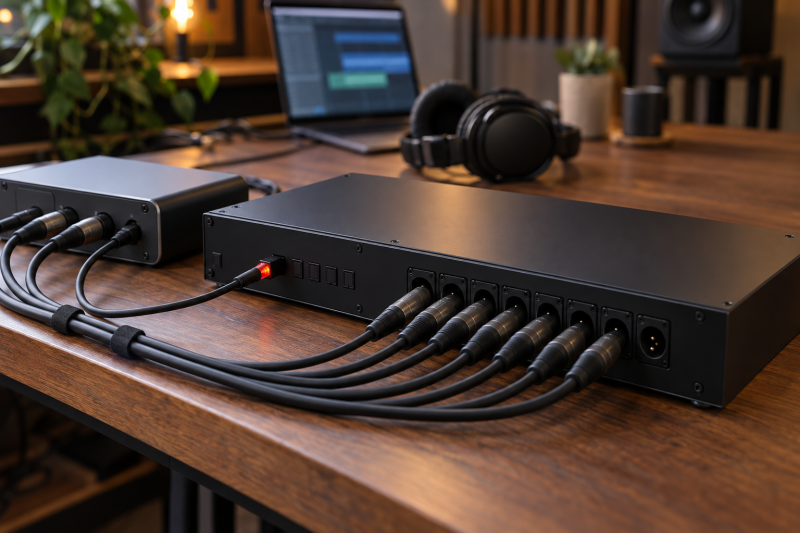
An ADAT expander can put more microphones or line sources into an existing recording interface without replacing its computer connection. First check whether the host has an optical ADAT input, how many channels it accepts at your session sample rate, and how the two devices will share a clock. An optical socket alone does not tell you the whole channel count or whether the box has microphone preamps.
These five products were selected from Amazon US listings with active New offers; availability can change. Four offer microphone preamps. The SSL ALPHA 8 is a line-level converter for sources that already have suitable output levels. The listed feature sets suit different recording desks, but we have not measured noise, conversion quality or interoperability on the exact units.
Buy the input type your sources need first, then verify optical channel count and clocking on the existing interface.ADAT Expanders Compared
| Image | Product | Details | Check Price |
|---|---|---|---|
 | Behringer ADA8200 | Input role: 8 microphone preamps ADAT role: Optical output listed Distinct feature: Simple 44.1/48 kHz expansion Buyer fit: Basic extra mic channels | Check Price on Amazon |
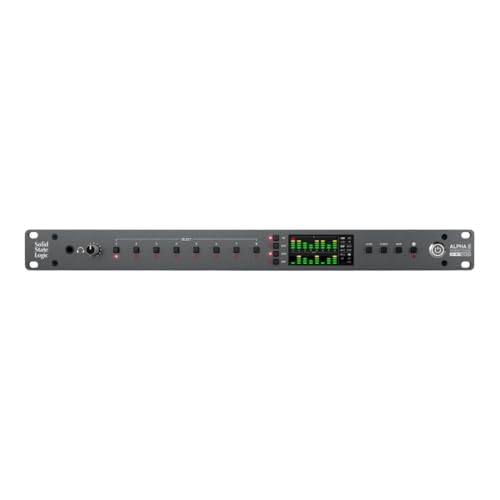 | SSL ALPHA 8 | Input role: Line-level AD/DA converter ADAT role: Digital expansion Distinct feature: USB-C audio and word clock listed Buyer fit: Line sources, not bare microphones | Check Price on Amazon |
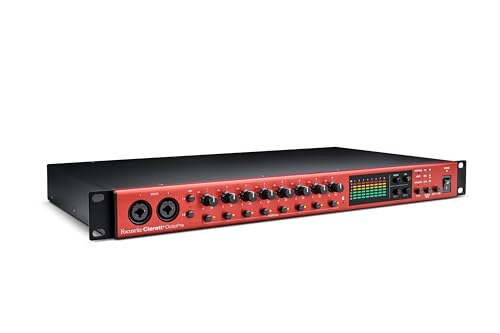 | Focusrite Clarett+ OctoPre | Input role: 8 microphone preamps ADAT role: 8-in/8-out listed Distinct feature: 8 channel inserts Buyer fit: Track through outboard | Check Price on Amazon |
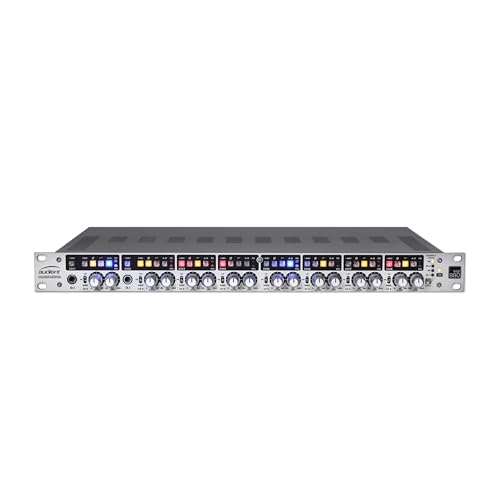 | Audient ASP880 | Input role: 8 mic preamps plus line inputs ADAT role: ADC expansion Distinct feature: Inserts and variable high-pass filters Buyer fit: Flexible mic/line rack | Check Price on Amazon |
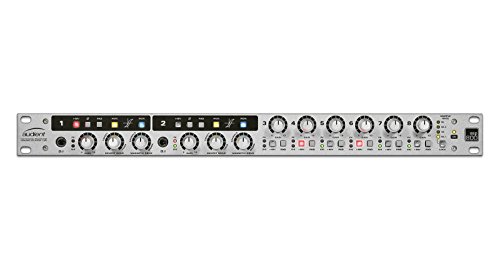 | Audient ASP800 | Input role: 8 microphone preamps ADAT role: Optical output listed Distinct feature: 2 HMX/IRON color channels Buyer fit: Two optional character channels | Check Price on Amazon |
1. Behringer ADA8200 — Best Basic Mic Expansion
The ADA8200 listing names eight microphone preamps and ADAT optical output with 24-bit conversion at 44.1 or 48 kHz. The ADA8200 is the direct choice when the existing interface has enough optical input channels but too few microphone inputs for drums, a group interview or a small live session. It is an expander, not proof that the host computer will see eight extra channels automatically. The host driver and routing software must expose them.
Before purchase, inspect the host’s optical port and manual. Check whether the session will run at 44.1 or 48 kHz, because this product’s listed rate range is narrower than the higher-rate claims on some other devices. Assign one device as clock master and confirm how the other follows. A dry run with eight signals should show which host channel each physical input reaches.
The ADA8200 is not a shortcut around analog routing. Cables and gain still count, and a balanced TRS patchbay is for a different line-level routing job. If performers need separate headphone mixes, an independent headphone distributor is also a separate purchase.
Our Take ADA8200 is for a studio that needs more basic mic sockets rather than special channel processing. Confirm the host’s optical format and session rate before expecting eight usable inputs.
- Eight microphone preamps listed.
- ADAT optical output is named.
- Simple role for an existing compatible interface.
- Listing specifies 44.1 and 48 kHz operation.
- Host clocking and channel mapping still need setup.
2. SSL ALPHA 8 — Best for Line-Level Conversion
The ALPHA 8 is different from the four preamp banks here. The exact listing calls it an AD/DA converter and expander with USB-C audio, and names word-clock I/O and front-panel metering. It is for line-level sources and destinations, such as external preamps, hardware instruments or outboard processing. A microphone plugged straight into a line input will not gain the microphone preamp it needs merely because the converter has an ADAT connection.
Choose this box when the analog front end already exists and conversion or routing is the missing piece. Map the desired direction carefully. Recording line sources calls for conversion into the host, while sending audio to processors or monitors uses a return path. An audio interface with standalone routing may suit some desks better if a new central interface is acceptable.
SSL lists a high converter sample-rate capability, but that number is not an assurance that eight channels cross one optical link at every rate. Check the host’s optical mode, whether additional optical connections are needed, and the chosen clock source in both manuals. For a hybrid desk using studio monitor controllers, keep the jobs of monitor volume and speaker switching explicit rather than assuming an expander replaces them.
ALPHA 8 is a line-level converter. Add suitable microphone preamps elsewhere if the new sources are microphones.Our Take ALPHA 8 fits a desk with external preamps or line-level hardware that needs converter I/O. It is the wrong buy if the missing piece is eight ready-to-use mic preamps.
- AD/DA expansion role is explicit.
- Word-clock I/O and metering are listed.
- USB-C audio gives another stated connection path.
- Does not provide a bank of mic preamps.
- Optical channel mapping still depends on the host.
3. Focusrite Clarett+ OctoPre — Best for Per-Channel Inserts
The Clarett+ OctoPre listing names eight microphone preamps, eight dedicated channel inserts and ADAT expansion. Inserts are the practical reason to compare it. You can place a suitable analog compressor or equalizer in the channel path before the signal is recorded. Inserts can be useful for an established outboard rack, but they also mean more cabling and more chances to route a return incorrectly.
Focusrite’s product information describes Air processing and support for instrument inputs. Both are options, not a reason to turn on processing for every source. Plan the gain and insert path for one channel first, listen to the return, then copy the setup across the remaining inputs. If a stereo DI for laptop playback is part of the room, make sure it is feeding an appropriate input path rather than confusing its output with an insert return.
How many ADAT inputs appear in the recording software depends on the host. The OctoPre’s analog inputs are not a second computer interface by themselves. Verify rate, optical direction and synchronization before tracking a long take. A multiport USB MIDI interface is for a different protocol. ADAT is for audio channels, not MIDI ports.
Our Take Clarett+ OctoPre is for a studio that needs mic expansion and already has a reason to patch processors into individual input paths. A simpler preamp bank may be enough if those inserts would sit unused.
- Eight microphone preamps listed.
- Per-channel inserts support an outboard workflow.
- ADAT input and output role is described.
- Outboard inserts need more cables and testing.
- Host ADAT capacity still sets the usable channel count.
4. Audient ASP880 — Best for Flexible Mic and Line Paths
The ASP880 listing combines eight microphone preamps, line inputs, insert points and variable high-pass filters. Two discrete JFET instrument inputs are also named. The ASP880 is a candidate for a room where the eight added channels are not all the same source. A drum session may need several microphones, while a hardware keyboard or a source that is already amplified may use a line path.
The input type must still be chosen deliberately. A line input does not supply microphone gain or phantom power to a condenser mic, and a mic preamp can be overloaded by a strong line source if set carelessly. Use the ASP880’s filters for a reason tied to the source, not as a substitute for hearing the raw recording. Where multiple hardware processors share a rack, a balanced patchbay can keep the wiring legible.
Audient’s manufacturer page is the more precise place to check physical insert and line routing before ordering cables. The Amazon listing establishes the available feature classes, not a test of converter quality. Set up one microphone, one line source and one return through the host’s ADAT input before declaring the whole rack ready for a session.
Our Take ASP880 suits a room with mixed sources where flexible analog input handling counts for more than a single special effect. Its value depends on correctly wiring and using those extra paths.
- Eight mic preamps plus line inputs listed.
- High-pass filters and inserts expand source handling.
- Two instrument inputs are named.
- More routing choices require a clear channel plan.
- No independent noise or conversion test for this offer.
5. Audient ASP800 — Best for Two Optional Character Channels
The exact New ASP800 listing describes eight microphone preamps and two Retro channels with HMX and IRON circuitry. It also names two JFET instrument inputs. The HMX and IRON option is a controlled tonal choice on two channels, not eight identical colored paths. For a singer and one featured instrument, that limited scope can be useful. For a whole drum kit, plan which sources would use it before buying.
Another ASP800 listing had only a Used offer at this check. The New offer here is the same ASP800 model, not an extra product. Verify the delivered package and current offer before purchase. Audient’s own product page describes the signal path. We have not measured how much HMX or IRON changes a recording in a particular room.
Use the coloration as an option, then capture a clean comparison. If the session has a hardware monitoring controller, hear both paths at a matched level before keeping a processed take. The ADAT connection still needs a host input and clock plan. Do not treat the ASP800 as a standalone USB recording interface.
ASP800’s HMX and IRON options apply to two Retro channels, not every input in the eight-channel bank.Our Take ASP800 fits a room that wants eight added mic inputs and an optional character choice on two featured sources. Buy it for that deliberate workflow, not for an untested promise of better sound.
- Eight microphone preamps listed.
- Two HMX and IRON channels add a distinct option.
- ADAT output is named in manufacturer evidence.
- Only two channels have the stated color controls.
- Character is a preference, not a measured quality advantage.
Buying Guide
1. Count usable ADAT channels at the session rate
Start with the host manual and the intended sample rate. An optical input may carry fewer channels at a higher rate, and the devices must support the same optical mode. Do not buy eight analog inputs and assume the recording software will show eight extra channels at every rate. Check any required second optical connection and identify which direction each port carries.
Make a channel map before ordering. Write down the host input numbers, expander channel numbers, mic or line source type and the destination track. Include cue feeds if performers need separate listening mixes. A headphone distribution amplifier may be part of that plan, but it does not increase the interface’s count of record inputs.
2. Decide who supplies gain and who supplies conversion
A bare microphone needs a suitable preamp. ADA8200, Clarett+ OctoPre, ASP880 and ASP800 list mic preamps. The ALPHA 8 is a line-level converter for an analog stage that already supplies an appropriate signal. Choose by the source you have, not by the size of the optical connector. Phantom power requirements and input headroom also belong in that source inventory.
Add special features only when the room uses them. Clarett+ offers inserts, ASP880 offers flexible mic and line handling, and ASP800 offers two character channels. Those differences count after the basic signal path works. An audio interface for guitar recording can be a better simple choice if the existing host has no usable ADAT input at all.
3. Clock and test the complete recording path
Choose one digital clock master and verify lock on the other device. A mismatch can produce clicks or missing channels even when every cable fits. Follow the exact host and expander manuals for optical or word-clock synchronization. After wiring, record a short signal on every intended channel and play it back through the normal monitoring route.
Do a realistic session rehearsal. Arm the tracks, use the planned sample rate, patch the inserts and run long enough to notice heat or intermittent connections. Keep an UPS for the desktop workstation separate from digital clock design. A clean power path does not repair an incorrect sample rate or ADAT configuration.
FAQ
Does an ADAT expander replace my USB or Thunderbolt interface?
Usually not in this setup. The existing computer interface is the host, while an expander sends or receives audio over optical ADAT. The host must support the required optical direction and expose those channels in its control software. A rack of mic preamps with no compatible host path will not appear as new computer inputs.
The SSL ALPHA 8 listing also names USB-C audio, but we treat it as a line-level expansion option for an existing interface. Choose one connection plan and verify its driver and routing before buying.
Will I get eight extra inputs at 96 kHz?
Do not assume eight extra inputs at a high sample rate. ADAT channel capacity can change with sample rate and optical mode, while the ADA8200 listing specifically names 44.1 and 48 kHz conversion. Check both manuals for the proposed rate, optical port count and supported channel map.
If the session must run at a higher rate, count the channels before choosing the box. A compatible second optical path or fewer usable channels may change the purchase decision more than an advertised converter rate.
Do I need a preamp or a line-level converter for synthesizers?
It depends on the synth’s output and how the desk is wired. A line-level source may feed a suitable converter input without passing through an additional mic preamp. A microphone or passive instrument may need a different gain and impedance path. The ALPHA 8 is the line-level converter in this set. The other four offer mic preamps with differing extras.
Check levels, connector wiring and whether the source is balanced. For a larger synth desk, a USB MIDI interface is for note and control data, not the analog audio entering the expander.
Bottom Line
Behringer ADA8200 covers basic extra mic inputs at its stated rates. SSL ALPHA 8 is for line-level conversion, not bare microphones. Focusrite Clarett+ OctoPre, Audient ASP880 and Audient ASP800 add different analog workflow options. The right choice begins with the host’s optical capacity and the sources’ input requirements.