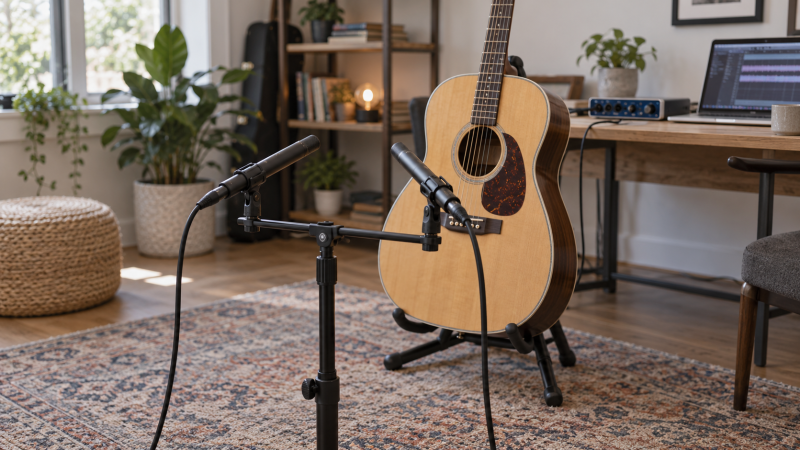
A pencil condenser can fit close to an acoustic guitar, above a piano or over a drum kit without putting a large microphone body in the way. The harder question is whether you need one focused microphone or two for a stereo picture. A pair adds width and placement options, but it also requires two microphone inputs, two cables and more care with distance and phase. Buying a pair is not automatically better for a solo instrument that needs to sit in a dense mix.
These five available products cover one single mic, three pairs and one complete matched-pair bundle. We use their exact Amazon listings for identity, patterns, included parts and power requirements. There are no listening or phase-coherence tests behind the recommendations. Check the room and the interface first, then choose a package that solves the actual recording job.
Before buying a stereo pair, confirm that your interface has two phantom-powered XLR mic inputs and that you can place both microphones consistently.Small-Diaphragm Condensers Compared
| Image | Product | Details | Check Price |
|---|---|---|---|
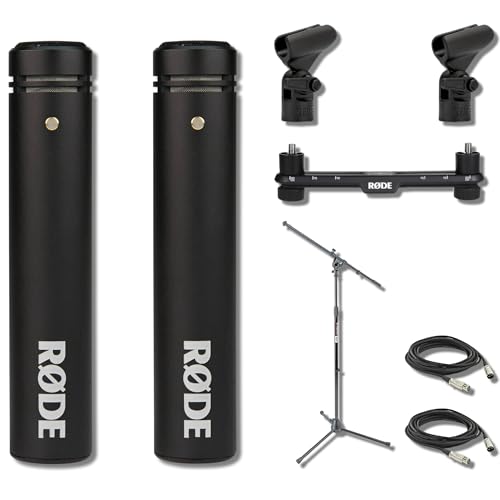 | RØDE M5-MP bundle | Best fit: Stereo starter rig Format: Matched pair bundle Pattern: Cardioid Included: Stereo bar, stand, XLR cables Power: 48V phantom | Check Price on Amazon |
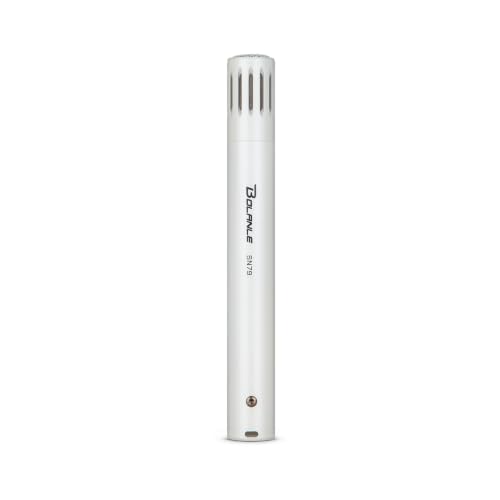 | Bolanle SN79 | Best fit: Single-point instrument mic Format: One pencil condenser Controls: -10 dB pad, low cut Included: Clip and bag Power: 48V phantom | Check Price on Amazon |
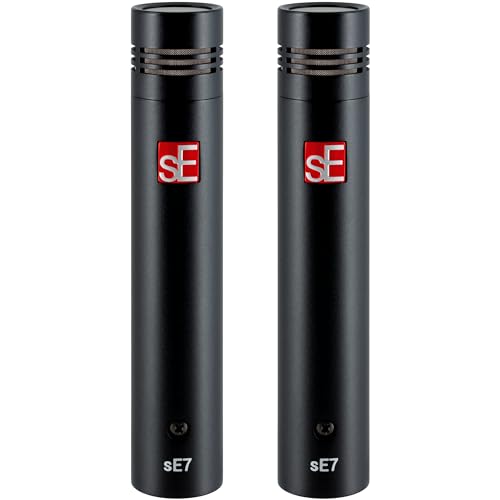 | sE Electronics sE7 pair | Best fit: Paired instrument capture Format: Factory-matched pair Pattern: Cardioid Listed: 48V, clip Availability: New, scarce | Check Price on Amazon |
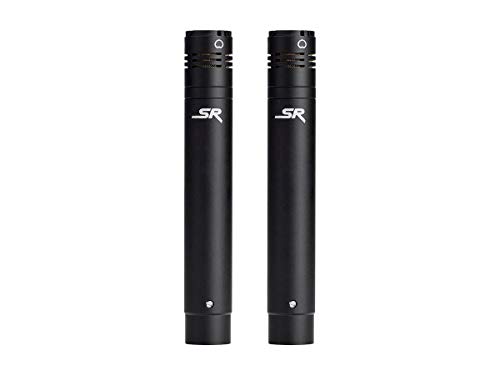 | Monoprice Stage Right SC100 | Best fit: Pattern experimentation Format: Two pencil condensers Capsules: Cardioid and omni Included: Clips, windscreens, case Availability: New, scarce | Check Price on Amazon |
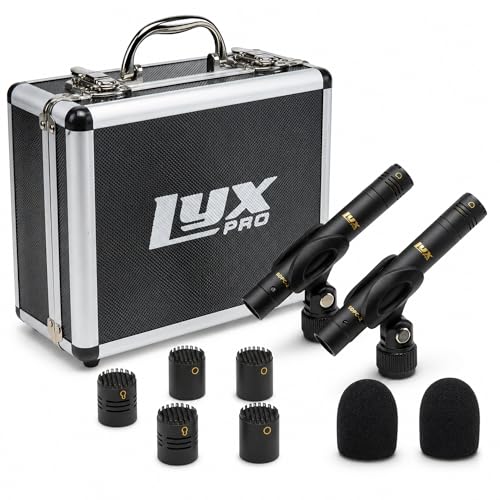 | LyxPro SDPC-2 | Best fit: Flexible stereo patterns Format: Pair of pencil condensers Capsules: Omni, cardioid, supercardioid Included: Clips, windscreens, case Power: Phantom-capable input | Check Price on Amazon |
1. RØDE M5-MP Bundle — Best Complete Stereo Start
This listing bundles two RØDE M5 cardioid pencil condensers with a stereo bar, boom stand and two XLR cables. It also lists windscreens and microphone mounts. The bundle is a practical starting point if the interface already provides two phantom-powered XLR inputs and you want to try a repeatable two-mic position over an acoustic guitar, piano or drum setup. The seller describes the pair as matched, so treat the claimed matching tolerance as listing information, not a measurement made here.
The bar makes spacing and angle easier to repeat than two unrelated stands, but it cannot choose the correct stereo technique for your room. A wide spaced pair can sound broad and still cancel some frequencies when mixed to mono. Start with a close, symmetrical arrangement, record a short passage, then listen in both stereo and mono before changing distance. The bundle is also more gear than needed if you only have one mic input or want a focused mono guitar track.
A complete pair saves accessory shopping, but it needs two interface channels and a stereo placement plan.Our Take Buy the M5-MP bundle if the full stereo rig is missing from your desk. Its strongest advantage is the included mounting and cabling, not a proven win in sound quality over the other pairs.
- Two mics, stereo bar, stand and cables listed.
- Repeatable pair placement from one bar.
- Cardioid pattern suits a focused setup.
- Needs two phantom-powered mic inputs.
- Bundle can duplicate gear you already own.
2. Bolanle SN79 — Best Single Instrument Mic
The SN79 is a single XLR pencil condenser, not a stereo pair. Its listing describes a -10 dB pad and a low-cut switch, plus a mic clip and storage bag. For a home producer with one spare interface channel, a single mic is a more direct way to add a close microphone to guitar, percussion or another acoustic source. The seller specifies 48V phantom power, so a standard XLR cable without an appropriate preamp is not enough.
The pad is for a source or input that overloads at sensible gain, and it is not a general sound-improvement switch. The low cut may help with stand rumble or excessive low-frequency energy, but it can also change the body of an instrument. Begin with both switches off, place the mic, make a short recording and change one setting at a time. The listing’s broad “studio-grade” claims do not tell you how it compares by ear with another capsule.
Our Take Buy the SN79 if you want a focused mono instrument track with onboard controls. Its limit is equally plain. One mic cannot capture a stereo pair without a second compatible microphone and input.
- Single-mic purchase fits one spare input.
- Pad and low-cut controls listed.
- Clip and bag included according to the listing.
- No stereo pair in the box.
- Needs 48V phantom power and separate cable.
3. sE Electronics sE7 Pair — Best Matched Pair Without a Full Stand Kit
The sE7 listing identifies this exact offer as a factory-matched pair of cardioid small-diaphragm condensers and states 48V power. A pair is useful for a stereo acoustic instrument or overhead arrangement when you already own stands, cables and a two-channel interface. The supplied listing details are sparse about the box contents beyond a clip, so do not assume a stereo bar or full cabling comes with this exact offer.
Keep the two microphone distances intentional. An uneven pair can pull the stereo image to one side, especially when an instrument has a strong transient attack. Mark the stand positions, record the same passage twice and check the result in mono as well as stereo. The product page gives a maximum SPL figure and frequency range, but neither replaces a placement test in your room or establishes an audible lead over other pairs.
Choose the paired microphones for an existing two-channel rig; price the missing stands, cables and stereo bar separately.Our Take Buy the sE7 pair if you want two cardioid mics without another stand bundle. Verify the exact seller’s included accessories before paying for it.
- Factory-matched pair named on the listing.
- Cardioid format suits controlled stereo capture.
- Accessory contents need a closer listing check.
- Two phantom-powered channels required.
4. Monoprice SC100 — Best for Cardioid or Omni Choice
The Stage Right SC100 listing describes two pencil condenser microphones with interchangeable cardioid and omnidirectional capsules. It also lists clips, windscreens and a hard case. The pattern choice is a better guide than a generic “detailed sound” slogan, because cardioid can focus more on an instrument from one direction, while omni can capture more of the surrounding space. The right choice depends on how good the room sounds and what else is playing nearby.
An omni capsule does not reject the room behind it, so a noisy desk or bare wall becomes part of the recording. A cardioid capsule can help aim away from some unwanted sound but also changes with angle and distance. Fit the same pattern to both sides when making a comparable stereo pair, then listen for balance and mono compatibility. The listing describes a pair but does not make your interface, placement or room suitable by itself.
Our Take Buy the SC100 pair if you will use two pickup patterns. In an untreated room, begin with cardioid and test omni only when the space adds something you want in the recording.
- Two pattern choices from interchangeable capsules.
- Clips, windscreens and case listed.
- Pair suits stereo experiments.
- Omni captures more room sound.
- Extra capsules add setup decisions.
5. LyxPro SDPC-2 — Best for Flexible Stereo Patterns
LyxPro’s SDPC-2 listing includes two XLR pencil condensers and interchangeable omni, cardioid and supercardioid capsules. It also lists windscreens, tilting clips and a carrying case. The third capsule type makes it a broader pattern kit than the SC100 when one rig must cover a focused guitar position, a roomier ensemble capture and experiments with tighter directionality. The exact listing describes the pair as matched-style. The matched-style wording is a seller description, not a phase or sensitivity test performed here.
More patterns do not remove the need to learn placement. Supercardioid can have a rear pickup lobe, so point it with the actual noise sources in mind rather than assuming everything behind the mic disappears. Omni records from all around and can be a poor choice in a noisy room. Use a phantom-capable XLR interface with two inputs for the pair, keep the selected capsules consistent across both microphones and compare recordings at matched levels.
Our Take Buy the SDPC-2 if pattern flexibility is the reason for buying a pair. If you will leave one pattern installed forever, a simpler pair may be easier to use.
- Three listed pickup-pattern capsule types.
- Pair, clips, windscreens and case listed.
- Pattern changes require careful repeatability.
- Two interface channels and suitable stands still needed.
Buying Guide
Decide mono or stereo before comparing microphones
A single microphone can make a strong, focused instrument track. It needs one stand, one XLR cable and one suitable interface channel. For an acoustic guitar that must leave space for a voice and other instruments in a mix, mono may be the simpler starting point. The SN79 is the single microphone on this page. Do not pay for a pair solely because stereo sounds like a higher tier.
A stereo pair needs two phantom-powered mic inputs and intentional geometry. The M5-MP, sE7, SC100 and SDPC-2 listings are pairs or pair bundles. Start with a repeatable angle and distance, record a few seconds, then check stereo width and mono compatibility. If the sound loses body in mono, move the microphones before adding processing. A stereo bar helps with repeatability but does not choose the placement for you.
Match the pattern to the room and instrument
Cardioid capsules favor sound from the front and can reduce some off-axis pickup. Aim them at the useful part of the instrument, not merely at its nearest visible surface. An acoustic guitar, for example, can become boomy if a close mic points straight at the sound hole. Move toward the fret area and adjust distance by listening to the raw take. For overheads, keep both sides balanced before changing EQ.
Omni capsules hear more of the room, which can suit a quiet, controlled space and be distracting next to a laptop fan. The SC100 offers cardioid and omni, and the SDPC-2 adds supercardioid. A supercardioid rear lobe means a noise source directly behind the mic may still be captured. Test each pattern at the same position rather than treating a tighter name as universal noise rejection.
Budget for power, mounts and cable runs
An XLR condenser needs a suitable preamp and phantom power. A laptop’s USB socket alone does not supply the microphone input these models expect. The M5-MP bundle explicitly lists a stand, stereo bar and two cables, and the other listings vary in accessories. Count the stands, clips, cables and input channels you own before comparing package prices. An audio interface with two headphone outputs may also help when a player and engineer need separate monitoring.
Use stands stable enough to keep microphone distance and angle fixed through a take. A desk clamp can work for a compact instrument setup, but check the edge and the payload. A desktop microphone boom arm is not automatically the right support for two overhead mics. Keep cables clear of foot traffic and avoid touching stands while recording. Physical bumps can travel through the support even when the capsule’s polar pattern is pointed away.
Frequently Asked Questions
Is a matched pair necessary for stereo recording?
No, a matched pair can simplify comparison between the left and right microphones, but stereo recording also depends on placement, interface gain, room acoustics and the source itself. The RØDE bundle and sE7 listing call their pairs matched, while the LyxPro listing uses matched-style language. Those descriptions do not prove how the microphones compare in an independent test.
If you already have two compatible mics, try a careful stereo setup before buying a new pair. Set comparable gain, record a centered source and listen in mono. If the image pulls strongly to one side, fix placement and levels first. Buying another pair will not correct a stand positioned at the wrong distance.
Can these pencil condensers plug straight into a laptop?
No, the five picks are XLR instrument microphones, so use an interface, mixer or recorder with an appropriate mic preamp and phantom power. The listings for the M5-MP, SN79 and sE7 explicitly mention 48V, so check the exact product and interface instructions for every other model as well. An XLR cable alone does not convert the signal to a laptop USB input.
Connect the microphone to the phantom-capable input, set the gain conservatively and select the interface in your recording software. For a pair, enable power on both inputs as instructed by the interface maker. Test both channels before placing stands around the instrument, so a cable or input problem does not cost a take.
Should I start with cardioid, omni or supercardioid?
Start with cardioid if the room is noisy or the goal is a focused instrument track. Point the front of the capsule at the intended sound and keep the noisiest objects away from that direction. Then try omni in a room whose ambience you want in the recording. Omni does not have the same directional rejection, so the surrounding space becomes more prominent.
Supercardioid is an option on the LyxPro kit when tighter directionality is useful, but it is not a guarantee of silence behind the mic. Record the same passage with each pattern and compare at a similar level. Pattern choice should follow what you hear from your instrument and room, not only the capsule name.
Bottom Line
For one instrument and one spare input, start with the SN79. For a first two-mic rig, the M5-MP bundle includes much of the support gear. The sE7 pair suits an existing stereo setup, and the SC100 and SDPC-2 add pattern options if you will use them. Choose the recording layout first, then match the microphones and accessories to it.