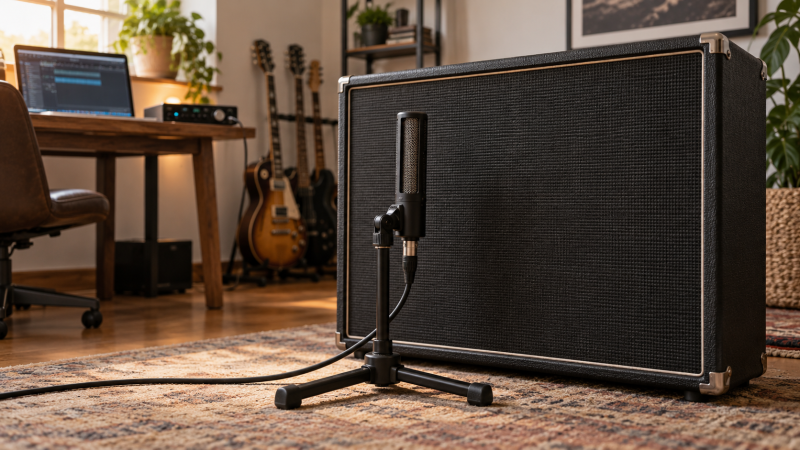
A ribbon offers another way to capture a guitar cabinet, but the choice is not simply “warm versus bright.” Pickup pattern, cabinet volume, preamp gain and clearance decide whether the microphone fits your room. Most ribbons here are figure-eight. One double-ribbon model is hypercardioid.
These six products have active New listings and include passive and active designs. Choose one you can place safely, power as the maker specifies, and compare in a raw take at the same amp setting. No cabinet or preamp comparisons were recorded for this article.
Keep the mic out of direct air blasts, check the maker’s power instructions, and listen to the cabinet at the actual stand position before changing EQ.Ribbon Microphones Compared
| Image | Product | Details | Check Price |
|---|---|---|---|
 | sE X1 R | Best fit: Simple passive cabinet mic Type: Passive ribbon Pattern: Figure-eight Maker use: Electric guitar cabinet Power: No phantom required | Check Price on Amazon |
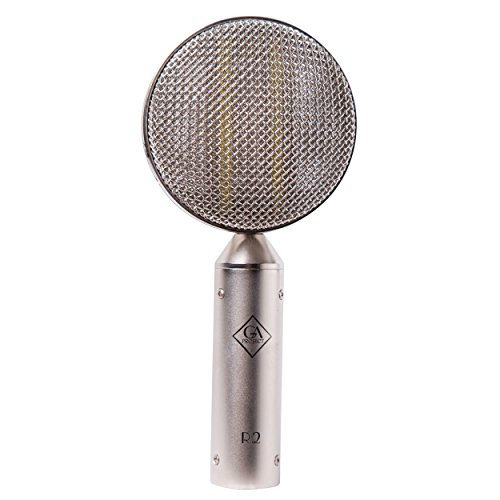 | Golden Age R2 MKII | Best fit: Classic figure-eight placement Type: Passive ribbon Pattern: Figure-eight Maker use: Loud guitar amps Included: Metal shock mount | Check Price on Amazon |
 | Stagg SRM70 | Best fit: High-SPL listing Type: Ribbon microphone Pattern: Figure-eight Listed max SPL: 148 dB Included: Shock mount | Check Price on Amazon |
 | beyerdynamic M 160 | Best fit: Tighter cabinet focus Type: Double ribbon Pattern: Hypercardioid Maker use: Electric guitar amp Output: XLR | Check Price on Amazon |
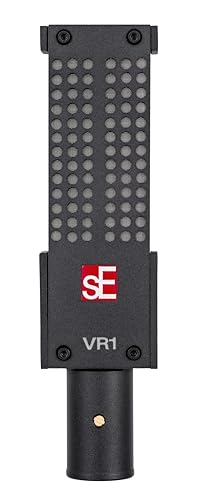 | sE VR1 | Best fit: Tight cabinet placement Type: Passive ribbon Body: Low-profile Maker use: Electric guitar cabinet Power: No phantom required | Check Price on Amazon |
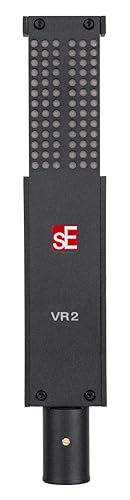 | sE VR2 | Best fit: Active-ribbon signal path Type: Active ribbon Pattern: Figure-eight Maker use: Electric guitar cabinet Power: 48V phantom required | Check Price on Amazon |
1. sE X1 R — Best Simple Passive Cabinet Mic
sE identifies the X1 R as a passive ribbon microphone suited to electric-guitar cabinets. Its maker describes a traditional ribbon design with a gentle high-frequency lift and high sound-pressure handling. That combination makes it a candidate when you want to compare a ribbon against a brighter close-cab sound without assuming all ribbons have the same rolled-off top end. The microphone does not require phantom power. Consult sE’s instructions for the exact interface and cable connection.
The X1 R’s figure-eight pickup makes the rear of the mic part of the setup. A reflective wall close behind it can change the recorded sound, while the sides provide the pattern’s stronger rejection. Start near the speaker grille at a safe angle, then move the microphone in small steps across the cone rather than relying on a generic “center is bright” rule. Keep the cabinet’s air movement and stand stability in mind when placing any ribbon near a loud source.
A passive ribbon still needs a clean, suitable mic preamp; it does not need phantom power for operation.Our Take Buy the X1 R if you want a straightforward passive-ribbon cabinet setup. Its useful difference is the maker’s guitar-cab fit and extended high-frequency design, not a claim that it will sound best on every speaker.
- Maker explicitly recommends electric-guitar cabinets.
- Passive path needs no phantom power.
- High-SPL use is stated by the maker.
- Figure-eight rear pickup includes more of the room.
- Preamp gain and noise still need checking.
2. Golden Age R2 MKII — Best Classic Figure-Eight Placement
Golden Age describes the R2 MKII as a passive figure-eight ribbon with a listed 137 dB SPL capability and explicitly calls it a choice for loud guitar amps. The maker says the figure-eight pattern has strong side rejection and supplies a metal shock mount. In a small room, you can orient the less-sensitive sides toward other equipment, but the microphone still hears from both front and back.
The rear pickup can make the room or another amp part of the take. Try the cabinet a little farther from the wall, then compare positions at the same amp and interface settings. The maker’s “mellow” tone description is a useful expectation to test, not a listening result from this article. As a passive model, it does not need phantom power. Check the supplied manual before connecting a preamp whose 48V switch also affects other channels.
Our Take Buy the R2 MKII if a classic figure-eight placement is the plan and you want a shock mount. It is less convenient if the cabinet sits against a reflective wall that the rear pickup will face.
- Maker names loud guitar amps as a fit.
- 137 dB SPL capability stated by maker.
- Metal shock mount listed.
- Rear lobe can capture the wall or another source.
- Passive output calls for suitable preamp gain.
3. Stagg SRM70 — Best High-SPL Listing
The SRM70’s Amazon listing states a figure-eight ribbon pattern, an included shock mount and a 148 dB maximum sound-pressure figure. The seller positions it for instruments and studio or stage use. The high figure makes it a candidate for a louder cabinet, but the SPL number is a product-listing specification, not a guarantee that every placement will be safe or pleasing. The listing is thinner on cabinet-specific guidance than the sE and beyerdynamic maker pages.
Use the same cautious placement process you would use with another ribbon. Avoid direct air blasts, keep the stand still and begin at a moderate amp setting. Check the exact manufacturer’s operating and phantom-power instructions rather than inferring them from the word “ribbon.” Listen for preamp noise at the level you actually record. If the budget makes this model attractive, allow time for those basic checks before treating its SPL figure as a buying verdict.
The listed 148 dB figure is a limit claim, not an independent tone, durability or placement test.Our Take Buy the SRM70 if you want its listed high-SPL capability and included mount. Cabinet guidance is sparse, so check the manual and setup before you rely on it.
- High-SPL figure stated on the listing.
- Figure-eight pattern and shock mount listed.
- Cabinet-specific instructions are sparse.
- Power and preamp requirements need a manual check.
4. beyerdynamic M 160 — Best for Tighter Cabinet Focus
The M 160 is unusual in this group because beyerdynamic specifies a double-ribbon hypercardioid pattern rather than the common figure-eight. The maker explicitly recommends it for electric-guitar amps and drums. That narrower forward focus can be useful when another cabinet or reflective surface is near the recording position. It does not remove the room, and hypercardioid patterns can have rear sensitivity, so test the actual direction of unwanted sound.
Place the mic with its intended front facing the speaker, then move it across the cone while keeping distance consistent. The maker says the M 160 handles the sound pressure of a guitar amp, but no independent limit or listening comparison is claimed here. Because the pattern is different from the figure-eight options, do not expect the same room contribution from an otherwise similar placement. Compare raw takes at matched levels rather than equalizing one heavily first.
Our Take Buy the M 160 if you prefer tighter directional control to the usual front-and-rear ribbon capture. It is still sensitive to how the cabinet, room and stand line up.
- Maker recommends electric-guitar amps.
- Hypercardioid double-ribbon pattern.
- Directional alternative to figure-eight models.
- Direction and rear sensitivity need attention.
- Room and cabinet position still matter.
5. sE VR1 — Best Tight Cabinet Placement
sE’s VR1 is a passive ribbon the maker includes among its microphones for electric-guitar cabinets. Its product information describes a body under three-quarters of an inch thick, useful where a larger microphone or mount crowds the grille. sE also describes an extended high-frequency design and cabinet use at high sound-pressure levels. The extended design, cabinet use and body size are maker claims and fit details, not proof of a preferred tone on your amp.
The slim body helps with access but does not make a loose stand or direct air blast safe. Plan the cable route so it does not tug on the mic, leave enough clearance for the mount, and record at a repeatable angle. This passive model does not require phantom power. sE’s manual says it is phantom-protected against accidental application, which is specific to this model and should not be generalized to all ribbons.
Our Take Buy the VR1 if physical space in front of the cabinet is the constraint and you want a passive ribbon. Its narrow profile is a tangible fit difference, but tone still needs a recording comparison.
- Maker names guitar cabinets as a use.
- Low-profile body fits tighter placements.
- Model-specific phantom protection described.
- Passive path still depends on the preamp.
- Figure-eight room pickup needs checking.
6. sE VR2 — Best Active Ribbon Path
The VR2 differs from the passive models because its active electronics require 48V phantom power. sE lists electric-guitar cabinets among its recommended uses and specifies a figure-eight pattern. The active output can be relevant when the available preamp has limited clean gain, though the right interface setting still needs testing. Do not treat “active” as a promise of a better cabinet tone or ignore the front-and-back room pickup.
The maker’s current VR2 package lists a clip, shock mount, windscreen and soft case. Confirm the exact seller’s box before relying on them. Keep the mic clear of direct blasts and place it where the rear lobe hears a useful part of the room rather than an unwanted wall reflection. The VR2 must receive phantom power for operation, opposite to the passive X1 R and VR1. Check the interface’s power grouping before swapping microphones mid-session.
Our Take Buy the VR2 if an active ribbon matches your preamp and you can supply 48V reliably. Its cabinet fit is supported by the maker, but the actual tone depends on speaker, position and room.
- Active output and guitar-cab use documented.
- 48V requirement clearly specified.
- Mounting accessories listed by maker.
- Will not operate without phantom power.
- Figure-eight rear pickup can include room sound.
Buying Guide
Check pattern and room before tone labels
A figure-eight ribbon hears both front and rear while rejecting more from the sides. Put a cabinet against a hard wall and the rear lobe may collect an awkward reflection. Rotate the microphone only after checking which side is meant to face the speaker, then compare the sound with the amp moved or the mic shifted. The X1 R, R2 MKII, SRM70, VR1 and VR2 fit this general pattern, though their designs and output levels are still different.
The M 160 is hypercardioid, so its directional behavior differs. If another amp or loud source sits near the cabinet, that pattern may be the more practical reason to choose it. Neither pattern makes the room disappear. Record a raw ten-second phrase at each candidate position, use the same gain and amplifier setting, and listen in the mix rather than judging only a soloed guitar sound.
Match passive or active output to your preamp
A passive ribbon does not need phantom power to operate. The X1 R, R2 MKII and VR1 are documented passive models. Their usable noise level depends on the microphone output, preamp and chosen cabinet volume. Do not assume every passive ribbon is damaged by any phantom supply, or that every one is safe, because wiring and model protection differ. Read the exact manual, connect with a sound balanced XLR cable and switch power as the maker directs.
The active VR2 requires 48V phantom power. The phantom power requirement is a firm connection difference, not an optional tone switch. Confirm whether the interface powers one channel at a time or a whole group, especially if another microphone shares the same interface. Choose a suitable USB-C audio interface for mic inputs, phantom controls and usable gain, not simply because it has a USB-C plug.
Place the ribbon with the cabinet’s air in mind
A speaker cone moves air and the cabinet can be loud near its grille. Follow the microphone maker’s handling and sound-pressure guidance. Do not put an unprotected ribbon in a strong direct blast merely to copy a photo. Secure the stand, leave room for the cable, and move the microphone in small, repeatable steps from the speaker center toward the edge. A mic at a different angle can change the balance before any EQ is applied.
Use a stable mount rated for the microphone. A desktop microphone boom arm may suit a desk combo if clamp fit, reach and payload work, and a floor cabinet may need a floor stand. When blending with another mic, check phase before judging either tone.
Frequently Asked Questions
Does a passive ribbon always need an inline booster?
No, the cabinet level and interface preamp determine whether more gain is useful. A loud amp close to the mic may yield a workable signal without a booster. Record at a safe position, set reasonable gain, then listen for noise.
If the signal is too low, verify the cable, input selection, placement and amp level first. Then compare the microphone’s output requirements with the interface’s available gain and noise. A booster cannot fix a room reflection, unsafe air blast or a stand that moves during a take.
Will 48V phantom power damage a ribbon microphone?
The answer depends on the exact ribbon design and cable condition. The VR2 is active and needs 48V to work. sE says its passive VR1 is protected against accidental phantom application. The statement is specific to that model and is not permission to assume all passive ribbons behave the same. Follow each maker’s manual before changing the interface’s power setting.
Use a correctly wired balanced XLR cable, avoid hot-patching or damaged connectors, and switch power as instructed when swapping microphones. If several inputs share one phantom switch, plan the whole session’s microphone combination first. Do not rely on an article’s general rule in place of the manual for a specific unit.
Where should I point a ribbon at a guitar speaker?
There is no one angle for every speaker. Start at a stable, safe distance near the grille, with the intended front of the mic aimed at the useful part of the cone. Record a short passage, then move in small steps toward the speaker edge or adjust angle. Keep amp settings and preamp gain fixed during the comparison so placement is the main change.
For a figure-eight mic, also listen to what its rear lobe hears. A nearby wall can change the recorded result. If you combine the ribbon with a dynamic mic, listen in mono for cancellations before doing heavy EQ. Choose the position that works in the track rather than the one that matches a photograph.
Bottom Line
The X1 R is the straightforward passive cab choice, and the R2 MKII suits a classic figure-eight setup. The SRM70 has a high-SPL listing but thinner cabinet-specific detail. The M 160 changes the directional choice, the VR1 fits tight physical space and the VR2 supplies an active 48V path. Match pattern and power to your room and interface, then record the actual cabinet before deciding on tone.