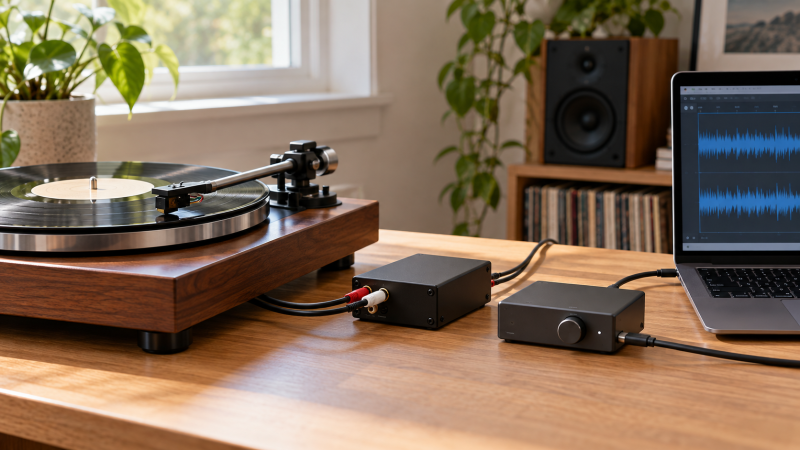
A turntable cartridge sends a signal that is too small and differently equalized for a normal line input on an audio interface. A phono preamp raises that signal and applies RIAA playback equalization before the interface records it. Put the preamp between the turntable and the interface. Do not plug a bare cartridge output into a standard line input and expect a usable capture.
For digitizing, the best preamp is the one that matches your cartridge and gives the interface a clean, unclipped line signal. The six New-offer options below include simple moving-magnet boxes, adjustable or filtered choices, and one listing that supports moving-coil cartridges. None is a USB audio interface by itself. You still need the interface, suitable analog cables, recording software and a quiet signal chain.
Check whether your turntable already has a built-in phono stage. If its output is set to LINE, do not feed it through another phono preamp. Send that line signal to the audio interface instead. If the turntable is set to PHONO, use exactly one matching phono stage before the interface.Phono Preamps Compared
| Image | Product | Details | Check Price |
|---|---|---|---|
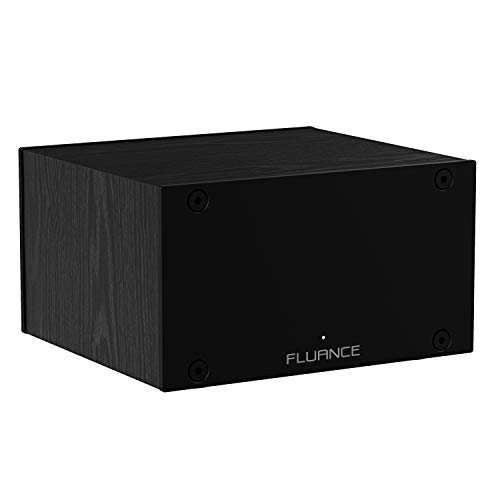 | Fluance PA10 | Cartridge: MM Capture feature: Selectable subsonic filter Output: Line level Best fit: MM transfers with rumble control | Check Price on Amazon |
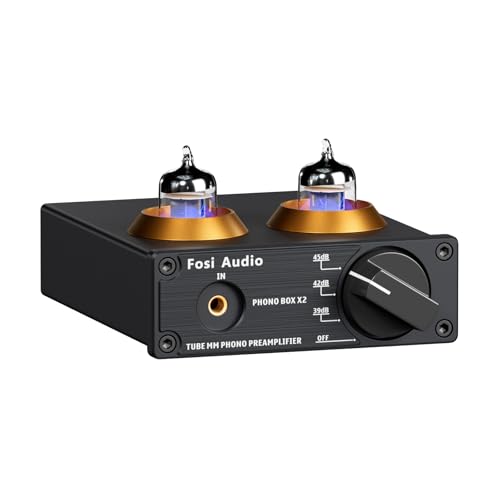 | Fosi Box X2 | Cartridge: MM Capture feature: 39/42/45 dB gain Output: Line level Best fit: Adjustable MM gain | Check Price on Amazon |
 | Douk T14-EQ | Cartridge: MM / MC Capture feature: RIAA; tone control Output: Stereo RCA Best fit: Cartridge flexibility | Check Price on Amazon |
 | ART DJPREII | Cartridge: Not established in returned bullets Capture feature: Ground terminal Output: Stereo RCA Best fit: Basic grounded RCA route | Check Price on Amazon |
 | U-Turn Pluto 2 | Cartridge: MM Capture feature: Active subsonic filter Output: Line level Best fit: MM with fixed filtering | Check Price on Amazon |
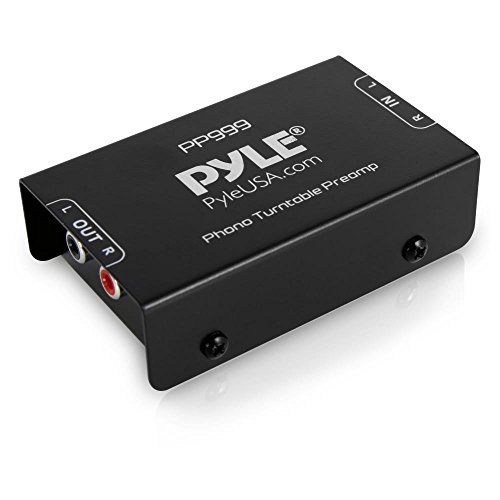 | Pyle PP999 | Cartridge: Magnetic pickup stated Capture feature: Simple RCA path Output: Stereo RCA Best fit: Basic phono-to-line conversion | Check Price on Amazon |
1. Fluance PA10 — Best MM Capture with Rumble Filter
Fluance lists the PA10 for moving-magnet turntables. It converts their phono signal to line level with RIAA playback equalization, which is the conversion an audio interface’s line input expects. The listing emphasizes left/right channel separation, shielding and a low-noise supply. Shielding, separation and supply are seller design claims, not measured noise or channel-crosstalk results from our recording chain.
The distinctive control is a selectable high-pass filter below 20 Hz. It can reduce low-frequency rumble that would otherwise use up headroom during a vinyl transfer. Because it changes the captured low end, compare a short sample with the filter on and off before recording an entire record. The returned listing does not claim moving-coil support. If your cartridge is MC, choose a product that expressly names that mode or use a suitable separate stage.
Our Take Buy the PA10 for an MM turntable when subsonic rumble is a practical capture problem. Its filter is a choice to audition, not an automatic improvement for every record.
- MM-focused RIAA phono conversion.
- Selectable sub-20 Hz filter.
- Shielded enclosure described.
- No MC mode stated.
- Filter changes the captured low end.
- Noise claims are not independently measured.
2. Fosi Box X2 — Best Adjustable MM Gain
Fosi’s Box X2 is an MM phono stage whose listing names three gain settings: 39, 42 and 45 dB. That adjustment can help fit the preamp’s line output to an interface input without depending solely on digital gain later. The listing describes a grounding post for the turntable and an RCA cable and power adapter in the box. Start with the lower gain and watch the interface’s input meter on the loudest passage before raising it.
The Box X2 uses replaceable vacuum tubes, and Fosi lists a 3.5 mm AUX input for a separate preamp use. Neither feature makes it a digitizer. The line output still goes to an audio interface. The seller describes its tonal character, but a vinyl archive benefits from a repeatable, unclipped capture more than a promise of warmth. If you want a neutral comparison, record the same short passage at matched input level before deciding whether this tube stage suits you.
Our Take Buy the Box X2 when adjustable MM gain is useful for matching the line output to an interface. Its tube path is a preference, not evidence that every transfer will sound better.
- Three stated MM gain settings.
- Ground post listed.
- Power adapter and RCA cable listed.
- No MC mode stated.
- Tube maintenance adds a variable.
- Still needs a separate audio interface.
3. Douk T14-EQ — Best MM/MC Flexibility
Douk’s T14-EQ is the only pick here whose listing explicitly names switchable MM and MC modes. The switch helps if the cartridge is moving-coil or if a turntable upgrade may change cartridge type. The product lists RIAA equalization and stereo RCA outputs, so the intended capture route is turntable to T14-EQ to the interface’s line inputs. Its 3.5 mm headphone jack is for listening and is not a USB recording output.
The seller advertises treble and bass controls of ±5 dB and 5 V USB power. Set the tone controls to their neutral position for an archival capture unless you deliberately want a processed copy. A USB power socket does not mean USB audio data travels into the laptop. The socket supplies the preamp. The listing calls its internal supply isolated, but no independent hum or noise test is available. Verify the exact cartridge mode before playing a record.
Our Take Buy Douk when MM/MC switching is a requirement. For a faithful digitization pass, treat its tone knobs and headphone output as optional conveniences rather than capture essentials.
- Explicit MM/MC mode switch.
- Stereo RCA line outputs listed.
- USB 5 V power can fit a desk setup.
- Tone controls must be set intentionally.
- USB connection is power, not recording data.
- Seller’s noise claims remain untested.
4. ART DJPREII — Best Straightforward Grounded RCA Chain
The ART DJPREII listing returned by Amazon identifies left/right RCA inputs and left/right RCA outputs, a ground terminal and an included power adapter. The inputs, outputs and ground terminal are the basic connection layout for a turntable with separate left and right analog outputs and an audio interface with two line inputs. Attach the turntable’s ground lead to the stated terminal if the turntable provides one, then route both RCA output channels to the interface through suitable cables.
The returned title and bullets do not establish cartridge type, gain range, filter controls or output level. Do not infer those from similar-looking ART products or older reviews. Before buying for an MC cartridge or a specific level target, verify the current unit’s manual or full seller specification. If you need those details immediately, the other picks here state their cartridge and control boundaries more clearly in the data available for this comparison.
Our Take ART offers clear RCA connections and a ground terminal, but its sparse returned listing leaves too many control details unstated for a confident specialist recommendation. Check the exact unit’s manual before matching it to an MC cartridge.
- Stereo RCA input and output stated.
- Ground terminal stated.
- Power adapter included.
- Cartridge support not established by returned bullets.
- Gain and filter controls not established.
5. U-Turn Pluto 2 — Best MM Stage with Subsonic Filtering
U-Turn lists Pluto 2 as a moving-magnet phono preamp with two gain stages and an active subsonic filter. The filter makes it a straightforward option when the cartridge is MM and the turntable picks up low-frequency movement or warp energy. Its compact metal enclosure is described as shielding sensitive circuitry, while the seller names precision components and low distortion. Shielding, components and distortion are construction and performance claims from the listing, not a comparison recording made for this guide.
Unlike Fluance, the returned Pluto 2 bullets do not state a user switch for the subsonic filter. Do not assume it can be disabled during capture. If your project needs every part of the low end without a fixed filter, establish the current unit’s behavior before buying. U-Turn lists assembly in Woburn, Massachusetts, a three-year warranty and ongoing support. These seller statements are no substitute for the cartridge match.
Our Take Buy the Pluto 2 for an MM-only setup when an active subsonic filter fits the recording goal. Fluance is the clearer choice here if a selectable filter is the priority.
- MM support explicitly stated.
- Active subsonic filter listed.
- Compact metal enclosure described.
- No MC support listed.
- Filter switchability not established.
- Sound claims not independently tested.
6. Pyle PP999 — Best Basic Phono-to-Line Box
Pyle’s PP999 keeps the route simple: stereo RCA inputs from the turntable, stereo RCA outputs to the next device, a ground connection and a 12 V DC adapter named in the title. Its listing says it converts magnetic-cartridge phono level to line level and gives a 3 mV input-sensitivity figure. The PP999 is the basic box to consider when the turntable lacks a built-in phono stage and the audio interface already supplies the conversion to USB.
The returned features also name a maximum output figure of 2 V peak-to-peak at 10 kΩ. The figure does not tell you how close a particular record will drive the interface to clipping. Use the interface meter rather than calculating from one listing number. Pyle recommends placing the preamp near the turntable to limit interference in the low-level phono cable. The listing does not clearly establish MC support or selectable gain, so treat it as a simple magnetic-cartridge route until the exact cartridge requirement is confirmed.
Our Take Buy the PP999 when you need a small, plain phono-to-line RCA box and already own an interface with suitable line inputs. Check the cartridge match and capture level rather than treating simple wiring as automatic compatibility.
- Simple RCA input/output layout.
- Ground connection described.
- 12 V adapter named.
- No MC support clearly established.
- No selectable gain listed.
- Output level still needs interface metering.
Buying Guide: Build One Clean Analog Path into the Interface
Confirm the turntable output and cartridge first
PHONO and LINE are different turntable output modes. A cartridge’s raw phono signal needs one RIAA phono stage before an audio interface’s line input. A turntable with a built-in stage may have a PHONO/LINE switch. If it is set to LINE, another stage would amplify and equalize it a second time. A second stage can overload the recording input and change the sound. Check the turntable’s manual and rear-panel labels before connecting cables.
MM and MC cartridges are not interchangeable. Fluance, Fosi and U-Turn expressly name MM. Douk T14-EQ expressly names both MM and MC. The returned ART bullets do not establish cartridge support, and Pyle names magnetic pickups without a clear MC mode. An MC cartridge can need a different gain and load than MM. Verify the cartridge’s type before settling on a capture setup. Do not choose a preamp from its RCA sockets alone.
Feed the audio interface without clipping
Use two line inputs for stereo capture. Route the phono preamp’s left and right outputs to the interface’s left and right line inputs with appropriate cables. Do not feed the preamp into an interface’s phono input if it has one, and do not assume a microphone input with phantom power is a safe substitute. Set the interface inputs to line mode where available, disable phantom power for this analog route and monitor the input meters during a loud passage.
Leave headroom in the recording, then adjust later. Fosi provides three stated gain settings, but the interface still sets the capture level. A quiet record and a hotly cut record may drive different peaks. Capture a short test, listen for distortion, then lower the preamp gain or interface input gain if necessary. A cleaner recording at a moderate peak level is easier to edit than one that has clipped. Our desktop-speaker guide concerns playback monitoring, which is separate from the signal reaching the file.
Decide what filtering belongs in the archive
Subsonic filtering can remove unwanted low-frequency motion. Fluance lists a selectable filter below 20 Hz, while U-Turn lists an active subsonic filter without stating a user switch in the returned bullets. A warped disc or turntable vibration can waste recording headroom. Compare a short passage with and without a selectable filter before deciding which capture best serves your archive. The setting becomes part of the recorded file.
Tone controls change the source before digitization. Douk’s bass and treble knobs can be useful for listening, but neutral positions are a simpler starting point for a preservation copy. Save creative equalization for a separate edited version if you want the original transfer available later. Tube coloration from Fosi may be enjoyable but is a preference rather than an automatic advantage for faithful capture. If you need a separate audio-routing device, our HDMI audio extractor guide covers another signal path, not phono equalization.
Frequently Asked Questions
Can I connect a turntable straight to my audio interface?
Only if the turntable already outputs line level with phono equalization, or the interface has a suitable phono input. A bare phono cartridge normally needs a phono preamp first. A standard line input alone does not apply the needed gain and RIAA playback curve. Check the turntable’s PHONO/LINE switch before adding another box.
If the output is already LINE, connect it to the interface’s line inputs and leave the external phono preamp out of the route. If the output is PHONO, connect it to the preamp’s phono inputs, then send the preamp’s line outputs to the interface.
Does a phono preamp with USB power also record over USB?
Not from the evidence for these six products. Douk’s USB 5 V connection is for power, while its stereo RCA outputs carry the analog audio onward. The other preamps here serve as analog phono stages, not USB audio interfaces. A computer needs a separate audio interface or another digitizer to make the recording.
Follow the signal, not the power cable: cartridge to phono stage, analog line output to interface, USB from interface to computer. Plugging the preamp’s USB power lead into a laptop does not create a selectable recording input by itself.
Should I choose a preamp with a subsonic filter?
It depends on the records and the purpose of the transfer. Very low-frequency rumble can use headroom even when it is not obvious through small speakers. Fluance’s selectable filter lets you make an on/off comparison. U-Turn lists an active filter, but its returned bullets do not say it can be switched off.
For an archival master, a selectable filter is useful because it preserves a choice. Record a short passage with the filter both ways, inspect the levels and listen on appropriate speakers or headphones. If you cannot switch the filter off, its effect is part of every capture from that stage.
Bottom Line
Fluance PA10 pairs MM support with a selectable filter most clearly for vinyl transfer. Fosi Box X2 adds stated gain choices, while Douk T14-EQ is the pick when an MC cartridge needs explicit support. Pyle PP999 is the simple route. Whichever you choose, confirm the turntable’s output mode and record a short, unclipped test before transferring the full record.