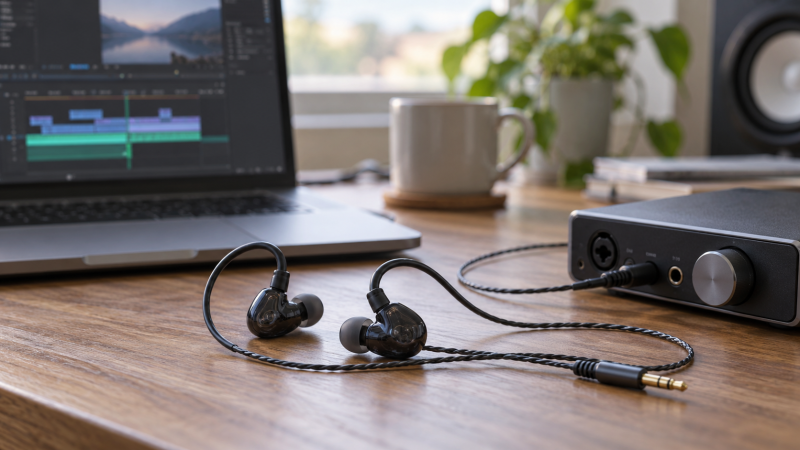
An over-ear headphone is not always convenient beside a camera. Wired in-ear monitors can give a creator a discreet feed while recording video, checking a live mix or reviewing an edit. They isolate by sealing the ear canal, so tip fit counts for as much as the driver listed on the box. None of these should be treated as a calibrated replacement for checking a final mix on speakers and another headphone.
These six active New options are wired monitors built for monitoring. They differ in fit hardware, replaceable cables, included tips and output-plug arrangements. The maker and seller specifications below describe the products. We have not measured frequency response, isolation, comfort or mix translation ourselves.
Pick the eartip and cable arrangement for your actual feed first. A poor seal can make bass sound absent, while a loud feed into a sensitive monitor can be uncomfortable.Wired In-Ear Monitors Compared
| Image | Product | Details | Check Price |
|---|---|---|---|
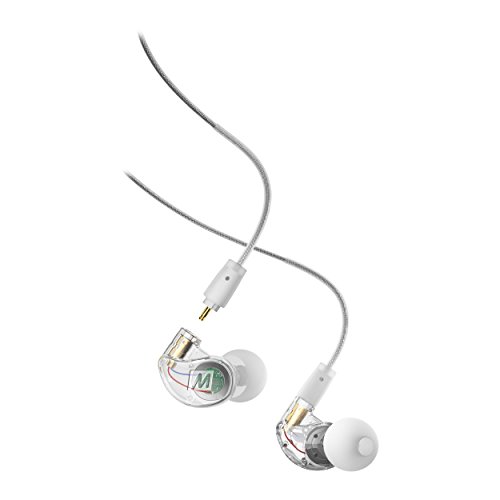 | MEE audio M6 PRO 2nd Gen | Best fit: Flexible starter package Cable: Two detachable cables listed Tips: Seven pairs, foam and silicone Plug: 3.5 mm; 6.3 mm adapter | Check Price on Amazon |
 | Sennheiser IE 100 PRO wired | Best fit: Slim stage monitoring Driver: 10 mm dynamic Cable: Detachable IE PRO type Tips: Foam and silicone | Check Price on Amazon |
 | Shure SE215 PRO | Best fit: Replaceable-cable ecosystem Driver: Single dynamic Cable: Detachable Included: Fit kit and case | Check Price on Amazon |
 | Audio-Technica ATH-E40 | Best fit: Dual-driver monitor Driver: Dual phase push-pull Cable: Detachable, over-ear Plug: 3.5 mm; 6.3 mm adapter | Check Price on Amazon |
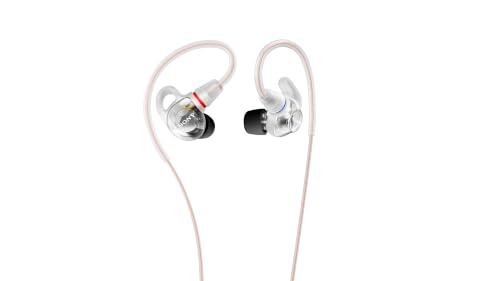 | Sony IER-M500 | Best fit: Extra fit support Fit: Supporters, isolating tips, ear hanger Type: Wired professional IEM Variant: Clear | Check Price on Amazon |
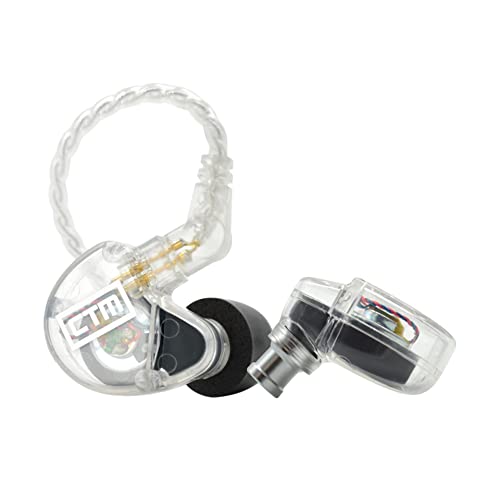 | Clear Tune Monitors CE110 | Best fit: Simple replaceable cable Driver: 10 mm titanium-coated dynamic Cable: Detachable 2-pin Tips: Foam and silicone | Check Price on Amazon |
1. MEE audio M6 PRO — Best Starter Accessory Kit
The second-generation M6 PRO comes with seven pairs of eartips, including foam, and two detachable cables according to its exact listing. One cable is for ordinary audio. The other adds a headset microphone and remote for compatible laptop or mobile use. A 6.3 mm adapter and case are listed as well. That package covers more connection situations than a bare monitor with one cable, so it is a sensible first kit for a creator moving between a camera, a desk interface and a laptop.
MEE audio emphasizes the importance of a proper ear seal. If one ear sounds thin, change the tip size on that side before judging the monitor’s tonal balance. The mic/remote cable is a convenience, not a promise that every camera or audio interface accepts a four-pole headset plug. Check the output’s pinout, and use the plain audio cable when the feed is a standard stereo headphone output. The over-ear memory wire can help hold the earpieces in place during a shoot.
A useful included tip range does not replace a fit check in both ears.Our Take Buy the M6 PRO if you want an adaptable wired kit without sourcing spare tips and cables immediately. If your priority is one dedicated stage-monitor cable rather than a headset option, the alternatives below are simpler.
- Seven eartip pairs listed, including foam.
- Two detachable cables and 6.3 mm adapter included.
- Case and over-ear routing help portable use.
- Headset cable needs a compatible socket for its mic.
- Fit and seal still require trial with the supplied tips.
2. Sennheiser IE 100 PRO — Best Slim Stage Fit
Sennheiser’s wired IE 100 PRO uses a 10 mm dynamic transducer and a slim earpiece designed for monitoring. Its product specification lists a 20-ohm impedance, detachable cable, and silicone and foam adapters. The exact offer here is the red wired version. The wireless kit sold under a similar name is a different package. For a creator who wants an unobtrusive ear-level check while moving around a set, the slim body and flexible tip options are more relevant than a headline frequency range.
The listed noise attenuation is less than 26 dB, not a guarantee that every person’s ears receive that much isolation. The seal, source level and outside noise all change the result. Before monitoring a loud live feed, start with the headphone output turned down and raise it carefully. Sennheiser’s cable is detachable, but use a replacement made for the IE PRO connector rather than assuming a generic two-pin or MMCX cable fits.
Our Take Buy the IE 100 PRO if low-profile, wired monitoring is the priority and the Sennheiser fit works for your ears. Check the specific cable connector before planning spares.
- Slim stage-monitor body with 10 mm driver.
- Foam and silicone tips included.
- Replacement cable must fit IE PRO connector.
- Actual isolation depends on individual seal.
3. Shure SE215 PRO — Best Familiar Monitor Cable Ecosystem
The SE215 PRO is Shure’s single dynamic-driver sound-isolating monitor with a detachable cable, fit kit and carrying case. Shure’s own product guide documents the cable and earpiece connection, so it is a familiar choice for a creator who expects to replace a cable later. The exact listing title identifies the clear SE215-CL, although one short seller bullet names a black variant. Verify the selected color and contents at checkout if appearance counts for camera work.
The detachable design helps with replacement, but do not assume any eartip or cable changes the fundamental sound in a predictable way. Start with the supplied sleeves and check that both ears seal before comparing a mix. A quiet monitoring feed is easier to assess than compensating for a loose tip by turning up the level. If a camera offers only a 3.5 mm headphone jack, check that its output level and socket are suitable for the included cable.
The offer’s color metadata is inconsistent; confirm the selected variant before ordering.Our Take Buy the SE215 PRO if you value a documented fit kit and replaceable cable from a long-running monitor line. Do not choose it solely because a seal or isolation number sounds universal.
- Detachable cable and fit kit listed.
- Shure publishes product and cable guidance.
- Seller copy conflicts on color variant.
- Single-driver tuning may not suit every listener.
4. Audio-Technica ATH-E40 — Best Dual-Driver Monitor
Audio-Technica’s ATH-E40 uses a dual phase push-pull dynamic driver design. The maker’s specification names a 3.5 mm plug, 12-ohm impedance, detachable cable, over-ear memory loops and included silicone tips and case. The dual-driver design is a concrete distinction from the single-driver alternatives. It is not proof that its mix judgments will be more accurate for your ears. For a creator who monitors a vocal or edit from a desk interface, the documented plug and cable layout are practical details to compare.
At 12 ohms, start the interface or camera output at a low level rather than assuming the same knob position used for a less sensitive over-ear headphone is comfortable. The molded housing is meant to isolate, but its fit has to work with your ears. Audio-Technica lists a 6.3 mm plug-on adapter in the Amazon offer, useful if the interface’s headphone output is full-size. The active New offer is listed as scarce, so verify availability when ready to order.
Our Take Buy the ATH-E40 if you want a documented dual-driver design and a detachable cable. Choose by fit and output compatibility before any driver-count claim.
- Maker documents dual phase push-pull design.
- Detachable over-ear cable and 6.3 mm adapter listed.
- Silicone tips may not suit every ear seal.
- New offer was scarce at source check.
5. Sony IER-M500 — Best Fit Support Options
Sony designed the IER-M500 as a wired professional stage monitor, with a sealed earpiece, noise-isolating tips, flexible ear hanger and separate fitting supporters. The supporters provide another way to stabilize the earpiece beyond a conventional cable loop. The active listing is the clear version. This combination is especially relevant for a creator who moves between camera positions, turns their head often or needs an IEM to stay put during a live session.
Sony describes the sound as balanced for monitoring, but the description is a maker claim rather than a measured comparison with the other five pairs. Fit supporters and tips must still be tried in the correct sizes. The sealed structure can reduce outside sound, which is useful for hearing a feed but also makes it easier to miss spoken instructions or environmental cues.
Sony’s extra fit hardware helps only if the chosen supporter and tip sizes sit comfortably in your ears.Our Take Buy the IER-M500 if secure fit is the main obstacle to using wired IEMs at a camera or production desk. It remains a purchase that depends on personal fit, not a guaranteed isolation result.
- Dedicated supporters, tips and flexible hanger.
- Designed for wired professional monitoring.
- Extra fit pieces take time to size.
- Strong seal can limit awareness on a busy set.
6. Clear Tune Monitors CE110 — Best Simple 2-Pin Cable
The CE110 uses a single 10 mm titanium-coated dynamic driver and a detachable 2-pin cable according to its listing. Clear Tune Monitors includes silicone and foam tips in three sizes and a protective case. A simple wired cable and a stated connector type make it easier to plan a replacement than a fixed-cable earbud, although the exact 2-pin geometry still needs to match a spare. The CE110 is a sensible option for a creator who wants basic, maintainable monitor hardware without a headset mic.
The listed 20 Hz to 14.5 kHz frequency response is a seller specification, not a listening score. It does not tell you how the CE110 will sound in your ear after a tip change or how reliably a final mix will translate. Test a familiar voice and music reference at a safe level, and compare against another playback system. A foam tip might seal better for one ear while silicone works better for the other. Comfort over the whole session counts too.
Our Take Buy the CE110 if you want a straightforward wired monitor with a documented replaceable cable and two tip materials. It is a better fit for a simple monitor feed than for a buyer seeking an included phone headset cable.
- Detachable 2-pin cable specified.
- Foam and silicone tips plus case included.
- Replacement cable geometry needs checking.
- No headset mic listed.
Buying Guide
Get the seal right before judging sound
A monitor’s eartip seal affects bass and outside-noise reduction. If a familiar track suddenly sounds thin in one ear, first try another included size or material. MEE supplies seven pairs, while Sennheiser and Clear Tune Monitors offer both foam and silicone choices. Tip count does not guarantee fit. Ear canals are different shapes, sometimes even left to right.
For a camera shoot, check whether you can still hear people giving instructions. A sealed IEM reduces ambient awareness as well as noise. If the crew relies on spoken cues, one-ear monitoring or a talkback feed may be safer than sealing both ears. Never turn up the feed merely to overcome a poor fit. The closed-back studio headphone guide covers a different monitoring form factor if an in-ear seal is uncomfortable.
Match the cable and output socket
Most of these pairs use a 3.5 mm wired audio connection. Some bundles include a 6.3 mm adapter for a full-size interface headphone jack. Confirm whether the output is stereo headphone audio, a four-pole headset socket or a balanced monitor pack. MEE’s microphone cable needs a compatible input for its mic to function. The ordinary cable carries listening audio without a microphone.
Detachable does not mean universal. Sennheiser’s IE PRO cable, Shure’s SE215 cable and the CE110’s 2-pin cable use different fittings. Buy spares by exact model and connector shape. Also route the wire so a camera operator cannot snag it. If the laptop has only USB-C, a portable USB-C DAC or suitable audio interface supplies the analog headphone output. A passive USB-C charge adapter is not automatically a headphone source.
Use IEMs as one check, not the whole mix decision
A wired IEM can reveal a missed edit, vocal cue or channel imbalance while a creator works away from the main desk. It does not eliminate the need for another playback reference. No product here was independently equalized or measured for this roundup, and ear-tip seal changes perceived bass. Make important tonal decisions on a known monitor setup and compare the result with another headphone or speaker.
Begin with a low output level, especially on an interface or wireless-monitor receiver that can drive sensitive earpieces loudly. Listen to a familiar clip, check left/right assignment, then raise level only as needed. If the creator must monitor their own voice with low delay, the interface’s direct-monitoring path and the recording app’s routing are more useful to check than the IEM driver description.
Frequently Asked Questions
Can I mix a video or song entirely on wired IEMs?
You can make useful edits and check details discreetly, but a final mix deserves another reference. Fit changes low-frequency perception, and isolation can make a feed feel different from open speakers. The seller’s “studio” label is not a calibration certificate.
Check the finished work on the monitors or headphones your audience may use, and compare vocals, bass and level at a reasonable loudness. IEMs are especially useful for catching an accidental click or missing channel while moving around a set. They are one tool in that decision, not the only one.
Do more drivers automatically mean more accurate monitoring?
No. Driver count describes construction, not guaranteed tonal accuracy. The ATH-E40’s dual phase push-pull arrangement differs from the single-driver SE215 and CE110, but fit, tuning and source level shape what you hear. A second driver does not make a poor seal disappear.
Compare the same familiar reference at matched, comfortable levels. If the monitor is for cueing and dialog checks, secure fit and cable reliability may count for more than driver count. If tonal decisions are central, use a second known reference rather than relying on a catalog phrase.
Will a detachable cable from one brand fit another IEM?
Usually not without checking. Connector families and shell geometry differ, and even products both described as “2-pin” can have different recessed housings. Sennheiser, Shure and Clear Tune Monitors specify different cable ecosystems for these exact monitors.
Look up the maker’s replacement part for the chosen model before ordering a generic spare. Also check whether the spare cable has a plain stereo plug or a headset microphone plug. The wrong cable can be unusable even when the earpiece end appears similar.
Bottom Line
The MEE audio M6 PRO is the most flexible starter package here. Sennheiser IE 100 PRO favors a slim stage fit, Shure SE215 PRO has a familiar detachable-cable line, and Audio-Technica ATH-E40 offers a documented dual-driver design. Sony IER-M500 provides extra hardware to support fit, while Clear Tune Monitors CE110 offers a simple detachable 2-pin cable. Choose the one that seals comfortably, stays put and connects to the feed you actually have.